New Media Unlocked!
You can now publish on USA TODAY through MarketersMEDIA. That's 142M+ monthly visitors and DR 92 backlinks for every release you publish.
Better reach, better SEO, better credibility.

You can now publish on USA TODAY through MarketersMEDIA. That's 142M+ monthly visitors and DR 92 backlinks for every release you publish.
Better reach, better SEO, better credibility.
Table of Content


Public relations is one of those disciplines that everyone thinks they understand until they actually have to do it.
At its core, PR is about building and maintaining relationships between an organization and the people who matter to it (e.g., customers, media, investors, employees, and the public).
The Public Relations Society of America defines it as “the strategic communication process that builds mutually beneficial relationships between an organization and its public.“
But knowing the definition is the easy part. Knowing the principles that make PR actually work? That’s where most brands fall short.
These principles aren’t trends or tactics that shift with every algorithm update.
They’re the foundational rules that have held up across decades of media change, platform shifts, and industry evolution.
If you’re building a PR strategy, this is where you start.
Want your brand story featured on credible media outlets?
MarketersMEDIA Newswire helps you get the kind of third-party visibility these big brands achieved—through press release distribution to established publications. Get in touch with us today.
The principles of public relations are the foundational standards that guide how organizations communicate, build credibility, and manage relationships with their audiences.
They emerged over decades of practice, research, and hard lessons from brands that got it right and brands that didn’t.
Frameworks like the Page Principles, developed by Arthur W. Page at AT&T between 1927 and 1946, and the Excellence Theory by James Grunig have shaped how the industry thinks about communication, ethics, and organizational behavior.
What makes these principles enduring is that they don’t depend on any particular channel or platform. They apply whether you’re sending a press release, managing a social media crisis, or speaking at an industry event.
At their simplest, the principles of PR come down to this: say what’s true, do what you say, listen to the people you serve, and measure whether any of it is actually working.
The principles of public relations matter because they determine whether communication builds trust or damages it.
Many PR problems are not communication problems. They are credibility problems.
When a brand loses public trust, stronger messaging alone cannot repair the damage. When a company breaks promises, a better press release does not solve the issue.
Principles exist to prevent those situations in the first place.
They guide how organizations behave, not just how they communicate. Instead of focusing only on getting media coverage, they emphasize long term relationships with journalists, customers, investors, and the public.
They also give PR teams a clear framework for decision making.
Without guiding principles, communication becomes reactive and inconsistent. With them, every action, from responding to a media inquiry to announcing a product issue, can be measured against a clear standard.
Organizations that apply these principles consistently tend to build stronger media relationships, earn more credible coverage, and maintain more resilient reputations when problems arise.
In other words, PR principles help organizations remain accountable to the audiences they serve.
The ten principles below explain what those standards look like in practice and why they continue to guide effective public relations today.
The oldest principle in public relations is also the most humbling one.
No business, brand, or organization survives without the approval of the people it serves. For-profits depend on buyers. Non-profits depend on donors and volunteers. Even B2B companies rely on the trust of the industries they operate in.
This idea is often described as public consent.
An organization can operate only as long as the public allows it to. Customers can stop buying. Communities can withdraw support. Regulators can impose restrictions. Reputation, trust, and legitimacy ultimately come from the people a brand interacts with.
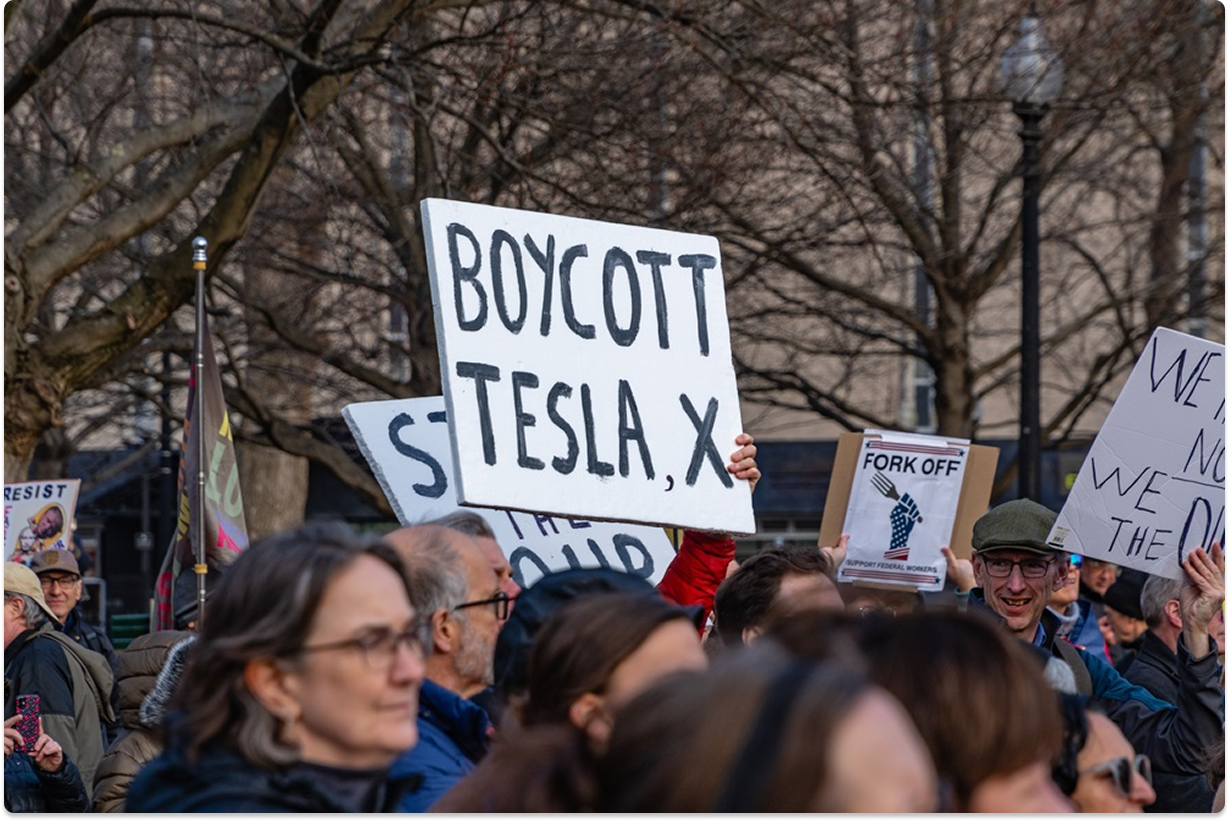
This is why public relations exists in the first place. Its role is not simply to generate media coverage.
It is to maintain the relationship between an organization and the audiences whose support keeps it operating.
In practice, this principle shifts how PR decisions are made. Instead of focusing only on short-term visibility or promotional messaging, communicators must consider how each action affects public trust over time.
That leads to a simple but important question behind every PR decision: Does this strengthen the relationship we have with the public, or weaken it?
When organizations remember that their existence depends on public consent, communication becomes less about persuasion and more about responsibility.
Trust sits at the center of public relations.
PR professionals often talk about reputation, media coverage, and visibility. But those outcomes depend on whether people believe what a brand says and trust how it behaves.
When trust exists, communication works.
The media listen, audiences pay attention, and stakeholders are more willing to give an organization the benefit of the doubt. When trust disappears, even positive announcements can face skepticism.
A well known example is the 1982 Tylenol crisis. After several people died from cyanide-laced Tylenol capsules, Johnson & Johnson recalled more than 30 million bottles nationwide. The recall cost the company over $100 million, but the decision prioritized public safety.
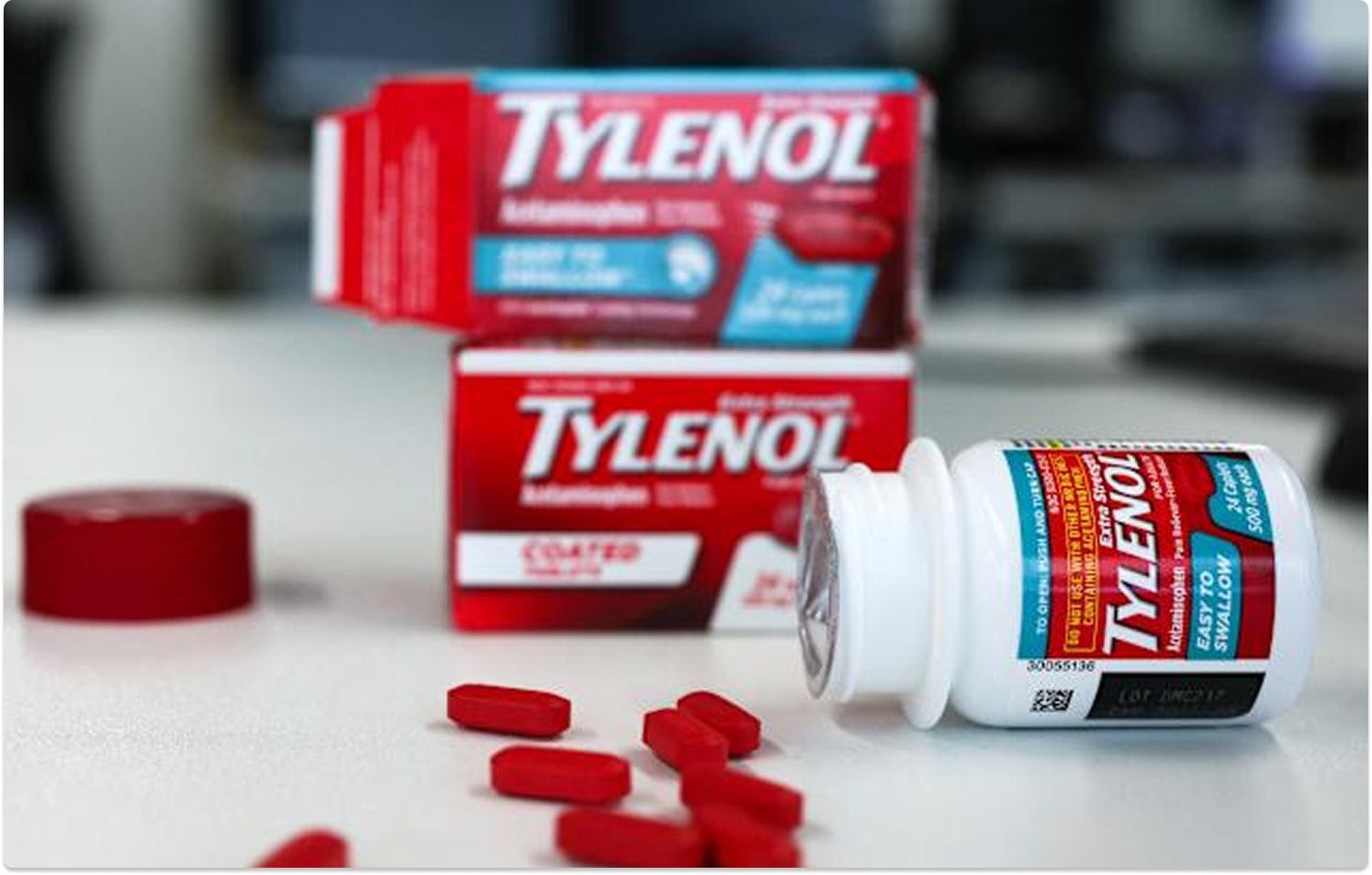
Because the company acted quickly and transparently, it preserved public trust and later regained market share.
The lesson is simple. Trust cannot be built through messaging alone. It is earned through actions that show accountability.
This is known in the field as the 90/10 Rule, first articulated by Arthur W. Page during his tenure at AT&T.
The rule states that 90% of public perception is determined by what an organization does, and only 10% by what it says.
If your product fails, no statement of apology will fully recover your reputation. If your team behaves ethically under pressure, that earns more trust than any press release ever could.
PR professionals who understand this principle know that communication strategy starts with behavior, not messaging.
You cannot talk your way out of a situation you behaved your way into.
There is a phrase used in PR circles that captures this principle well: “Don’t put a clean shirt on a dirty body.”
Spin, selective omission, and strategic misdirection might suppress a bad story for a short period. But they do not fix the underlying problem. When the truth eventually surfaces, and it almost always does, the damage is compounded by the attempted cover up.
Honesty is also a practical strategy for protecting long term credibility.
When organizations acknowledge mistakes, explain what happened, and communicate how the issue will be addressed, they are more likely to preserve public trust.
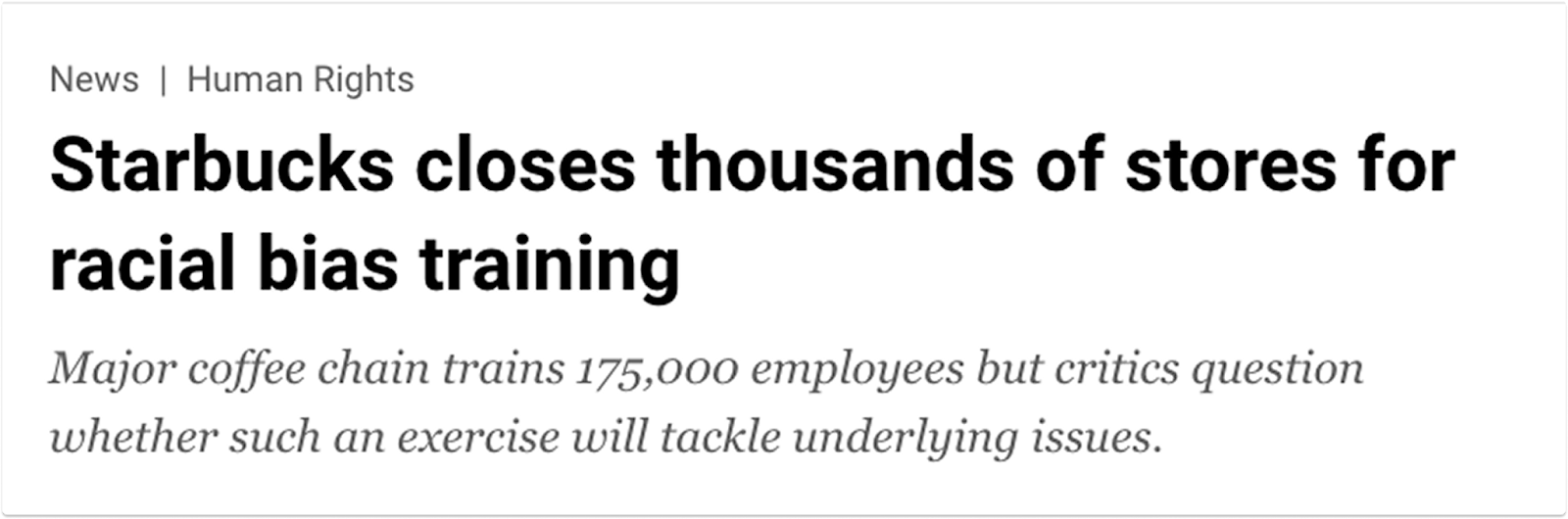
A well known example occurred in 2018 when two Black men were arrested at a Starbucks store in Philadelphia while waiting for a friend.
The incident sparked widespread criticism.
Instead of minimizing the situation, Starbucks publicly apologized and temporarily closed more than 8,000 stores across the United States to conduct racial bias training for employees.
In contrast, attempts to hide or distort the truth often turn a manageable issue into a larger reputation crisis. Once audiences believe they have been misled, rebuilding trust becomes far more difficult than addressing the original problem.
For PR professionals, the principle is straightforward. The goal is not to disguise reality but to communicate it clearly and responsibly.
Most PR departments only become active when something goes wrong. That is the reactive model, and it puts organizations permanently on the back foot.
Proactive PR means creating opportunities rather than responding to problems, this includes:
Organizations that practice proactive PR build what experts describe as a “reservoir of goodwill.”
When a crisis arrives, that reservoir gives them time and public benefit-of-the-doubt that reactive organizations simply don’t have.
Modern PR is built on two-way symmetric communication, a model developed through decades of research including James Grunig’s Excellence Theory.
This model requires organizations to genuinely listen to their stakeholders, not just send messages to them. When audience feedback signals a problem, that feedback should influence decisions, not just talking points.
Listening has become more measurable than ever.
Social media, review platforms, customer surveys, and media monitoring tools all provide real-time signals on how audiences are responding.
Brands that act on those signals build stronger relationships than those that don’t.
PR content that prioritizes clever wordplay, abstract concepts, or industry jargon over clear communication consistently underperforms.
For example:

Audiences process clear information faster, trust it more readily, and share it more often. A message that requires the reader to work too hard to understand it is a message that will be skipped.
The standard to hold all PR communication to is simple: would a person with no prior knowledge of your brand understand this immediately?
If the answer is no, rewrite it.
One of the longest-running debates in this industry is how to measure PR success.
For too long, the industry defaulted to vanity metrics:
Modern PR measurement focuses on outcomes: the actual behavioral changes that result from communication.
Did sentiment improve? Did sales increase following coverage? Did stakeholder opposition decrease?
The SMART framework (Specific, Measurable, Achievable, Relevant, Time-bound) provides a structure for setting PR goals that can be evaluated with real data.
For example, “Increase share of voice in the fintech media sector by 15% over the next quarter” is a measurable objective.
“Improve brand awareness,” on the other hand, is not. Without a defined metric or timeframe, it becomes difficult to evaluate whether the goal was achieved.
Strong PR measurement focuses not just on how much coverage was generated, but on what that coverage ultimately changed.
Public relations is not confined to a single department. It operates across the entire organization.
Every person who represents a company shapes how the public perceives it.
This can happen during a customer support call, in a social media comment, at a conference, or even through a casual conversation with a client or partner.
In many situations, the public experiences a brand through its employees rather than through official statements or press releases.
This is why employee behavior and communication play such an important role in reputation.
A helpful interaction with a customer can strengthen trust in the brand. A careless response or negative experience can spread quickly and damage that trust.
Internal communication is therefore closely connected to public relations.
How leadership communicates with employees, how company policies are explained, and how organizational values are demonstrated in daily work all influence how employees represent the brand outside the company.
Organizations that treat employees as credible ambassadors tend to build stronger reputations.
When staff members understand the company’s mission, values, and communication standards, they are better equipped to represent the organization consistently and responsibly in public interactions.
Digital PR uses earned media tactics to build authority online. The methods include:
When credible publications cover a brand and link to its website, search engines interpret those links as signals of credibility and relevance.
These signals can help improve organic search visibility.
The relationship extends beyond backlinks. As AI-driven search tools such as ChatGPT Search and Perplexity become more widely used, brands are increasingly evaluated based on whether they are referenced as reliable sources.
This has led to the emergence of Generative Engine Optimization (GEO), a practice focused on making content easier for AI systems to analyze, reference, and surface in answers.
The underlying principle remains the same.
Credibility built through accurate information, strong content, and legitimate media coverage helps establish trust with both audiences and search systems.

Use press releases to get your brand mentioned and recommended by ChatGPT, Gemini, and Perplexity when people search.
 PR playbook to get your brand cited in AI answersHow to check and fix what AI says about your brand2 minutes checklist to make your PR AI-friendly
Where would you like to receive the AI PR toolkit:
Knowing the principles is a starting point. Applying them consistently is where public relations actually takes shape.
PR professionals often follow a four step process:
Step 1: Research
Step 2: Planning
Step 3: Implementation
Step 4: Evaluation
For organizations looking to build media visibility and credibility through press releases, MarketersMEDIA Newswire provides a way to reach established media platforms.
The service distributes press releases to more than 2,000 media endpoints, including outlets such as Business Insider, AP News, and Yahoo News.
This type of distribution helps place stories where they can generate coverage, backlinks, and search visibility.
Start distributing your press releases with MarketersMEDIA Newswire today. Get in touch with us today!
A: Proactive PR involves planning and executing communication on your own timeline, before issues arise. Reactive PR responds to problems after they have already occurred. Proactive PR is generally more effective because it allows organizations to shape the narrative rather than defend against it.
A: PR ROI is measured through outcome-based metrics rather than output metrics. Outcome metrics include changes in brand sentiment, increases in referral traffic, growth in share of voice compared to competitors, lead attribution tied to media coverage, and measurable shifts in audience behavior such as increased sales or reduced stakeholder opposition.
A: The 90/10 Rule, attributed to Arthur W. Page, states that 90% of public perception is shaped by what an organization does and only 10% by what it says. It underscores that behavior, not messaging, is the primary driver of reputation.
A: GEO is the practice of structuring content so that AI-powered search tools like ChatGPT and Perplexity are more likely to cite it as a source. As AI search gains wider adoption, being cited by these systems is becoming as valuable as traditional search rankings. PR strategies in 2026 increasingly factor in GEO alongside conventional SEO.
A: No. Advertising is paid placement where the brand controls the message. PR is earned media coverage where third parties such as journalists, publications, and influencers validate the brand’s story. PR tends to carry higher credibility with audiences because it is not paid promotion, but it also requires more strategic effort to secure and maintain.


 PR playbook to get your brand cited in AI answer
How to check and fix what AI says about your brand
2 minutes checklist to make your PR AI-friendly
PR playbook to get your brand cited in AI answer
How to check and fix what AI says about your brand
2 minutes checklist to make your PR AI-friendly