New Media Unlocked!
You can now publish on USA TODAY through MarketersMEDIA. That's 142M+ monthly visitors and DR 92 backlinks for every release you publish.
Better reach, better SEO, better credibility.

You can now publish on USA TODAY through MarketersMEDIA. That's 142M+ monthly visitors and DR 92 backlinks for every release you publish.
Better reach, better SEO, better credibility.
Table of Content


Long before Instagram existed, people looked to others for guidance on what to buy, wear, eat, or believe.
You asked a trusted friend which restaurant was worth visiting. You watched what your favourite athlete wore and wanted the same pair of shoes. You listened to a respected expert before making a big decision.
When platforms like YouTube, Instagram, and TikTok emerged, ordinary people suddenly had the ability to build audiences of thousands or even millions.
They shared their lives, their opinions, and their recommendations, and their followers listened.
Brands quickly noticed that a well-placed recommendation from one of these creators could move products faster than a traditional advertisement ever could.
That is how influencer marketing began.
But the brands that get the best results today go one step further. They do not just run influencer campaigns. They build influencer relations.
Influencer relations is the practice of building long-term relationships with creators who already have the trust of your target audience.
Instead of only buying posts, brands work with influencers as partners who help shape brand perception, build credibility, and sustain visibility over time.
Influencer marketing is usually transactional.
A brand pays for a post, a video, or a story. Influencer relations are relational. It focuses on ongoing collaboration, mutual value, and trust that compounds over months or years.
In practice, influencer relations still use the same formats, posts, videos, stories, and reviews, but the goal is different. The goal is not just to reach the audience.
It is credibility, consistency, and long-term influence.
Influencer relations are built on ongoing collaboration, not one-off posts. When a creator talks about a product repeatedly and naturally over time, their audience starts to see it as part of that creator’s real life or workflow.
This kind of trust cannot be created in a single ad. It builds through consistency, familiarity, and context.
A single sponsored post might get attention, but a long-term creator relationship builds belief.
Audiences are far more likely to trust recommendations from someone they follow regularly than from a brand message or a celebrity ad.
Influencer relations turn creators into credible, familiar reference points for your category.
Working with the same creators repeatedly means less time explaining your product and more time improving how it is presented.
Creators learn what works, what resonates with their audience, and how to integrate your brand more naturally.
The quality and effectiveness of the content usually improves over time.
Constantly finding new creators, briefing them, and aligning expectations is expensive and time-consuming.
Strong influencer relationships reduce friction, speed up execution, and create more predictable results because both sides already understand how to work together.
Instead of measuring success only by views on a single post, influencer relations focus on who is shaping how your audience thinks about your product or category over time.
That is how brands build lasting preference, not just temporary attention.
Brands and creators can work together in different ways, depending on goals, budget, and how long they want the partnership to last. These are the most common types of influencer relationships:
This is the most straightforward model. A brand pays a creator a flat fee to feature a product in a post, video, or story.
The brand usually provides a brief outline of what they want to communicate, but the best results happen when creators are given room to present the message in their own voice. When the content feels natural, audiences are more likely to trust it.
This type of relationship is typically short term and campaign-based, such as a single post or a small bundle of posts.
In this model, the creator earns a commission for every sale made through a unique tracking link or discount code. Sometimes this is combined with a flat fee, and sometimes it is commission-only.
This relationship aligns the creator’s incentives with the brand’s results. If the content converts, everyone wins. It also makes performance easy to measure, since every click or sale can be tracked.
Affiliate partnerships often last longer than one-off sponsorships, especially if the product performs well with the creator’s audience.
Here, the brand sends free products to creators in the hope of organic exposure. There is no guaranteed post, but many creators will share something they genuinely like.
This is a lighter, low-commitment relationship. It is commonly used by brands to build initial awareness with creators or to test whether a product fits a creator’s audience before moving into paid collaborations.
In this setup, a creator temporarily manages a brand’s social media channel, or attends and covers an event on the brand’s behalf.
This type of relationship brings fresh energy and a new audience to the brand’s own platforms. It is usually short term and centered around a specific moment, such as a product launch, conference, or campaign.
This is the long-term version of influencer collaboration. A creator represents the brand consistently over months or even years.
Because the audience sees the creator using the product repeatedly, not just once, this builds much deeper credibility and trust.
You see this model all over the world. Nike has long worked with athletes like Cristiano Ronaldo as a brand ambassador across campaigns and product launches.

Red Bull partners with extreme sports athletes who appear in content and events year-round. Brands like Adidas and Daniel Wellington run long-term creator programs where products show up regularly in everyday content.
In tech, companies like Samsung also work with creators who consistently use and showcase their devices over time.
Long-term ambassadors, sponsored creators, and affiliate partners all fall under influencer relationships.
But once a brand moves into partnerships with movie stars, athletes, or global public figures, the strategy changes.
This is where influencer relations and celebrity endorsements start to diverge.
Influencer relations are about building ongoing working relationships with creators who already influence a specific audience.
The brand is not just paying for a post. It is partnering with someone who regularly talks to a community and can repeatedly introduce, explain, and normalize the product over time.
The value comes from trust, context, and continuity. The creator’s audience sees the product show up in real content, in the creator’s own voice, across multiple moments, not as a one-off appearance.
Celebrity endorsements are about renting attention from someone famous.
A brand pays a well-known figure to appear in an ad, campaign, or launch moment, usually for a fixed period. The goal is fast, wide exposure and image association, not an ongoing relationship with the celebrity’s audience.
The celebrity’s role is to add visibility and status, not to integrate the product into their everyday content or build a long-term narrative around it.
In short, influencer relations are built around relationships and repeated influence inside a niche, while celebrity endorsements are built around reach and recognition at scale.
They solve different problems, and that is why they are planned, priced, and measured very differently.
| Area | Influencer Relations | Celebrity Endorsement |
| Audience trust | Personal, peer-level connection | Broad admiration |
| Content fit | Integrated into natural content | Often feels scripted |
| Cost | Flexible, scales with tier | Very high |
| Measurability | Trackable via links, codes, analytics | Difficult to attribute |
| Targeting | Specific niche or community | Mass audience |
In practice, many brands use both at different stages.
There is a big difference between a global celebrity promoting a skincare line and a 20,000-follower fitness creator reviewing protein powder.
Both are technically influencers, but in influencer relations, they play very different roles.
Influencer relations is not about choosing the biggest name you can afford. It is about choosing the right voice for the audience you want to reach.
In practice, creators usually fall into a few broad groups, and each group serves a different strategic purpose:
| Type | Follower range | Strengths |
| Celebrities and Mega Influencers | Over 1 million | Massive reach and visibility |
| Micro Influencers | 10,000 to 100,000 | Niche expertise and focused audiences |
| Nano Influencers | 1,000 to 10,000 | Highly specific niches and strong trust |
For influencer relations, micro and nano creators are often the most valuable partners. Their audiences are smaller, but the relationship is closer.
Followers interact more, ask questions, and actually listen to what they recommend. The connection feels personal and two-way, not distant or broadcast-style.
Because of that, micro and nano influencers often deliver higher engagement and better ROI. Their recommendations feel less like advertising and more like advice from someone who genuinely knows the topic and the audience.
There is also a newer category worth mentioning: virtual and AI influencers. These are computer-generated personas with their own social media profiles and millions of followers. Lil Miquela is a well-known example, with over 2 million followers.
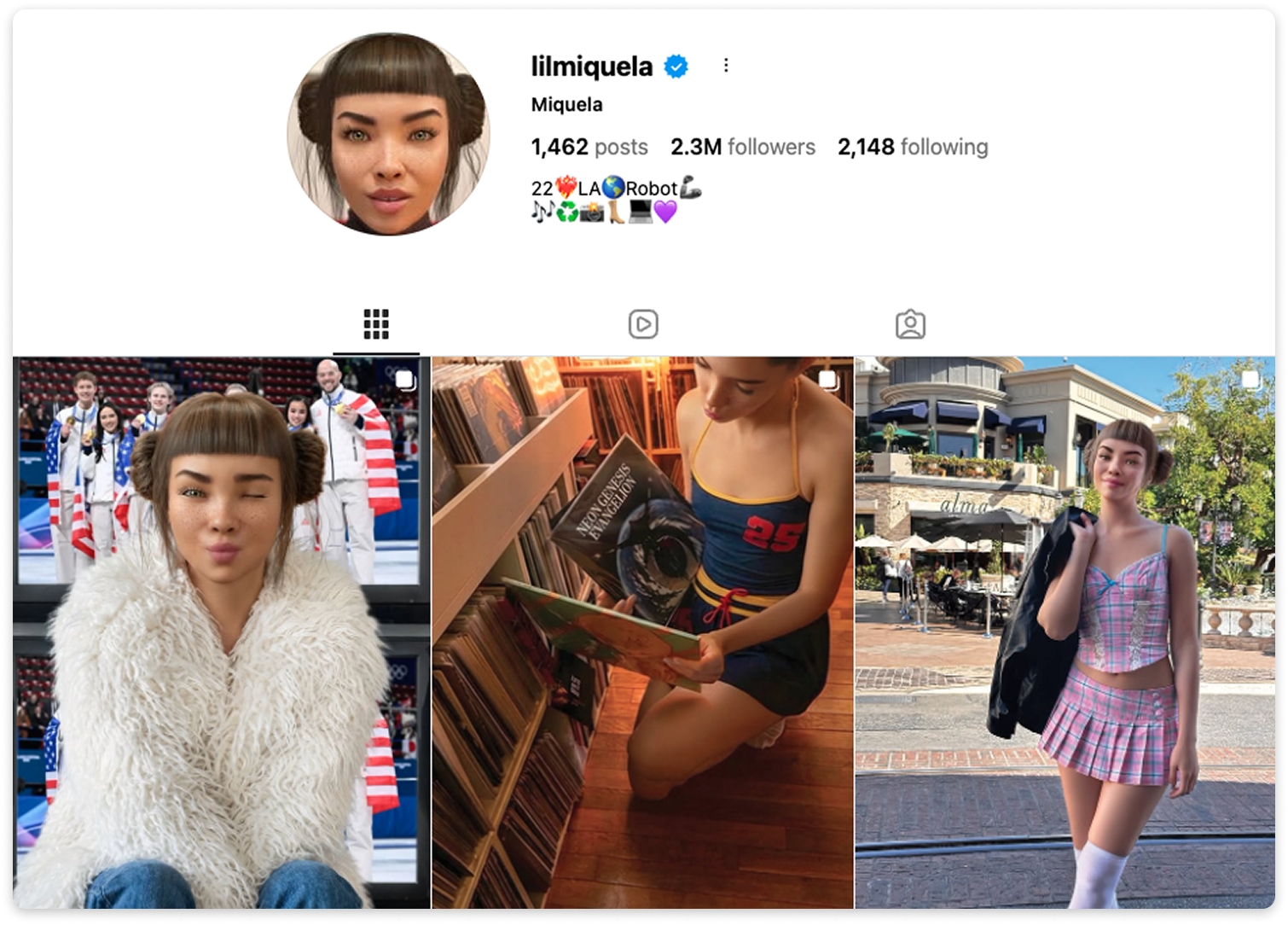
These digital avatars give brands total control over messaging and reduce the risk of a creator going off-brand.
They are growing in presence, though audiences are still warming up to them, and human connection remains hard to replace.
There is no fixed price list for working with influencers. What a brand pays depends on the type of relationship, the creator’s audience, and what the brand is actually asking for.
In practice, two creators with similar follower counts can charge very different rates because the value is not just in reach. It is in trust, relevance, and the work involved in creating the content.
Here are the main factors that shape what influencers charge:
| Factor | Why It Affects Pricing |
| Follower count and engagement rate | A creator with 500,000 highly engaged followers will usually charge more than one with 2 million passive followers. |
| Platform | TikTok, YouTube, and Instagram each have different rate expectations and content costs. |
| Content type | A full YouTube video review takes more time and effort than an Instagram story. |
| Usage rights | If a brand wants to reuse the content in paid ads or other channels, this usually costs extra. |
| Exclusivity | Asking a creator to avoid promoting competitors for a period increases the fee. |
| Niche | Creators in high-value niches like personal finance, tech, or health tend to charge more. |
A rough benchmark some creators use is $100 per 10,000 followers for a single post, but this is a starting point, not a rule.
Others charge flat rates, work on commission only, or negotiate custom packages for long-term partnerships.
In influencer relations, long-term agreements, content bundles, and ongoing collaborations often change this math, because the value is spread across multiple posts and a longer time horizon rather than a single placement.
When a brand partners with a creator, the brand also inherits some of the creator’s public baggage, including past posts, off-platform behavior, and whatever happens next.
If the creator becomes the center of controversy, brands often get dragged into the story simply through association, and the fallout can move faster than any brand response.
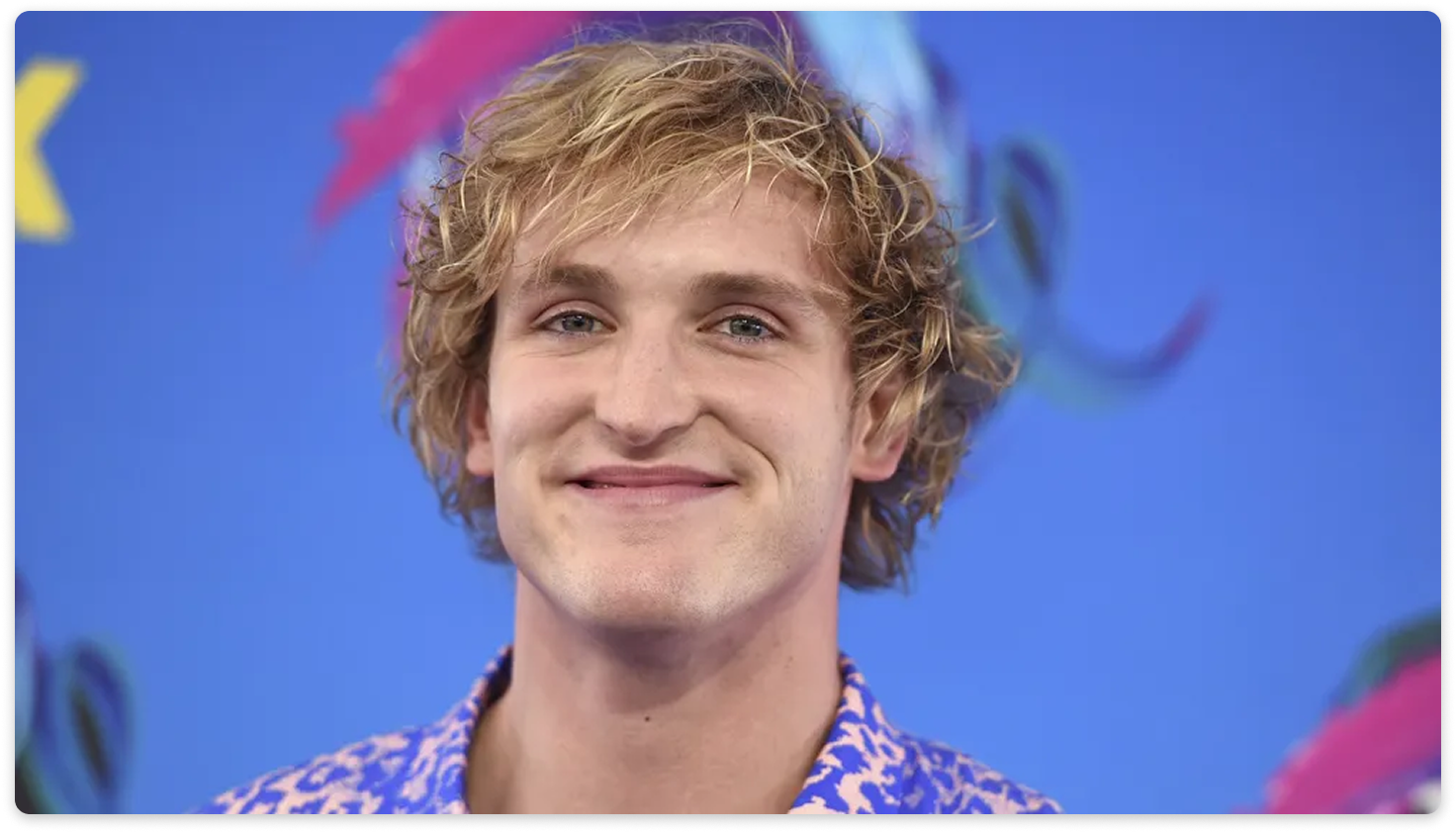
A widely cited example is Logan Paul in January 2018, when backlash over his Japan video led YouTube to remove him from Google Preferred and put projects on hold, showing how quickly partnerships and commercial opportunities can collapse when public sentiment turns.
Influencer relations require creative freedom, but that freedom comes with trade-offs.
Even with a clear brief, creators can unintentionally (or intentionally) change the meaning of the message: overstating results, skipping important context, comparing your product to a competitor in a risky way, or creating content that clashes with your brand’s tone.
This is especially risky in categories where claims matter, like finance, health, skincare, and supplements.
The brand can end up dealing with customer complaints, refund requests, support tickets, or platform takedowns, even if the creator “went off script” on their own.
The fix is not to script everything, but to set non-negotiables, provide claim-safe language, and use a review flow for high-risk statements.
Creator relationships only work when the partnership feels believable.
If audiences think a creator is “just taking a check,” or the product clearly does not fit the creator’s usual content, comments can turn negative fast, and the brand becomes part of that negativity.
A real-world example is the Fyre Festival promotion in 2017, where influencers posted glossy content that helped sell the fantasy, and the collapse of the event triggered public outrage and lawsuits that pointed to undisclosed paid influencer promotion as part of the problem.

Paid relationships often require clear disclosure, and the rules are not optional.
If disclosures are missing, hidden, or unclear, it can create legal risk, platform enforcement, and credibility damage.
This matters even more in influencer relations because repeated collaborations mean repeated chances to get compliance wrong.
Brands typically need clear contract terms on disclosure, a checklist for each platform, and a process to confirm the final post includes the required labels.
Some creators inflate follower counts, likes, or views using bots, engagement pods, or purchased metrics.
On paper, everything looks strong.
In reality, the audience may be low quality, non-targeted, or not real, leading to weak results and wasted spend.
A major real-world case is Devumi: in 2019, the New York Attorney Letitia James announced a settlement that prohibited Devumi from selling fake followers, likes, and views, highlighting how widespread “fake influence” had become.
Influencer relations have become a core part of how modern brands build credibility, educate audiences, and earn trust in a crowded digital world.
When done well, they combine the reach of online platforms with the power of personal recommendations, creating something that traditional advertising struggles to match: influence that feels human and believable.
Real success does not come from chasing the biggest names or running one-off promotions.
It comes from choosing the right creators, working on the platforms where they do their best work, setting clear goals, and building relationships around authenticity, audience fit, and consistency over time.
Long-term partnerships almost always outperform short-term exposure.
It also means understanding the risks, from fake followers and audience backlash to brand safety and compliance issues, and putting the right safeguards in place before problems happen.
Influencer relations are built with real people, and that makes trust both more powerful and more fragile.
In the end, influencer relations work best when they are treated as partnerships, not transactions.
Brands are not just buying attention. They are earning access to trust.
When you work with influencers, it’s not only your job to check whether they are credible. It’s also important that you look credible to them.
In other words, credibility goes both ways. That is why it is just as important to build credibility with influencers you work with.
The influencers you choose do not just talk about your product. They represent your brand, your values, and your reputation to their audience.
A: Brands typically start by identifying where their audience already spends time. Instead of searching by follower count alone, they look at:
Tools like social listening platforms, influencer databases, and even manual platform searches help brands shortlist potential partners. The most effective approach often begins with creators who are already talking about similar products organically.
A: Unlike one-off campaigns, influencer relations are cumulative.
Short-term metrics like engagement and clicks can appear immediately. But deeper outcomes such as brand preference, recall, and trust typically take months of consistent collaboration.
Brands that treat influencer relations as a long-term strategy often evaluate success over quarters, not weeks.
A: It depends on the company structure.
In many organizations, influencer relations sit between marketing and PR. Marketing teams often focus on performance and conversions, while PR teams focus on reputation and relationships.
Because influencer relations involve both measurable results and reputation management, cross-functional coordination is often the most effective approach.
A: A strong influencer agreement usually outlines:
Clear expectations reduce misunderstandings and protect both sides of the partnership.
A: Small brands often benefit significantly from influencer relations because trust can be transferred faster than awareness can be built through ads.
Micro and nano creators, in particular, are accessible to smaller budgets and often more open to long-term collaboration. In many cases, smaller brands can build strong influence within niche communities before scaling broader campaigns.


 PR playbook to get your brand cited in AI answer
How to check and fix what AI says about your brand
2 minutes checklist to make your PR AI-friendly
PR playbook to get your brand cited in AI answer
How to check and fix what AI says about your brand
2 minutes checklist to make your PR AI-friendly