New Media Unlocked!
You can now publish on USA TODAY through MarketersMEDIA. That's 142M+ monthly visitors and DR 92 backlinks for every release you publish.
Better reach, better SEO, better credibility.

You can now publish on USA TODAY through MarketersMEDIA. That's 142M+ monthly visitors and DR 92 backlinks for every release you publish.
Better reach, better SEO, better credibility.
Table of Content


Relying only on paid media to grow your brand is a risky move.
When you run paid ads, you are not really building an audience. Instead, you are paying platforms like Google, Facebook, or TikTok to show your message to their users.
As long as ads are running, results come in. You get traffic and leads. But when ad costs go up or algorithms change, those results can drop fast.
The moment you stop paying, the traffic stops. You do not control that connection. The platform does. To keep the same level of visibility, you either spend more or accept fewer clicks and fewer leads.
That is the downside of building growth on channels you do not control. Your access to your audience depends on someone else’s rules and pricing.
This is where owned media comes in.
Owned media is any digital channel or platform that your brand owns and controls completely.
A simple way to think about it is this: if you can publish content on it without asking permission or paying a platform to reach your own audience, it’s owned media.
This includes:
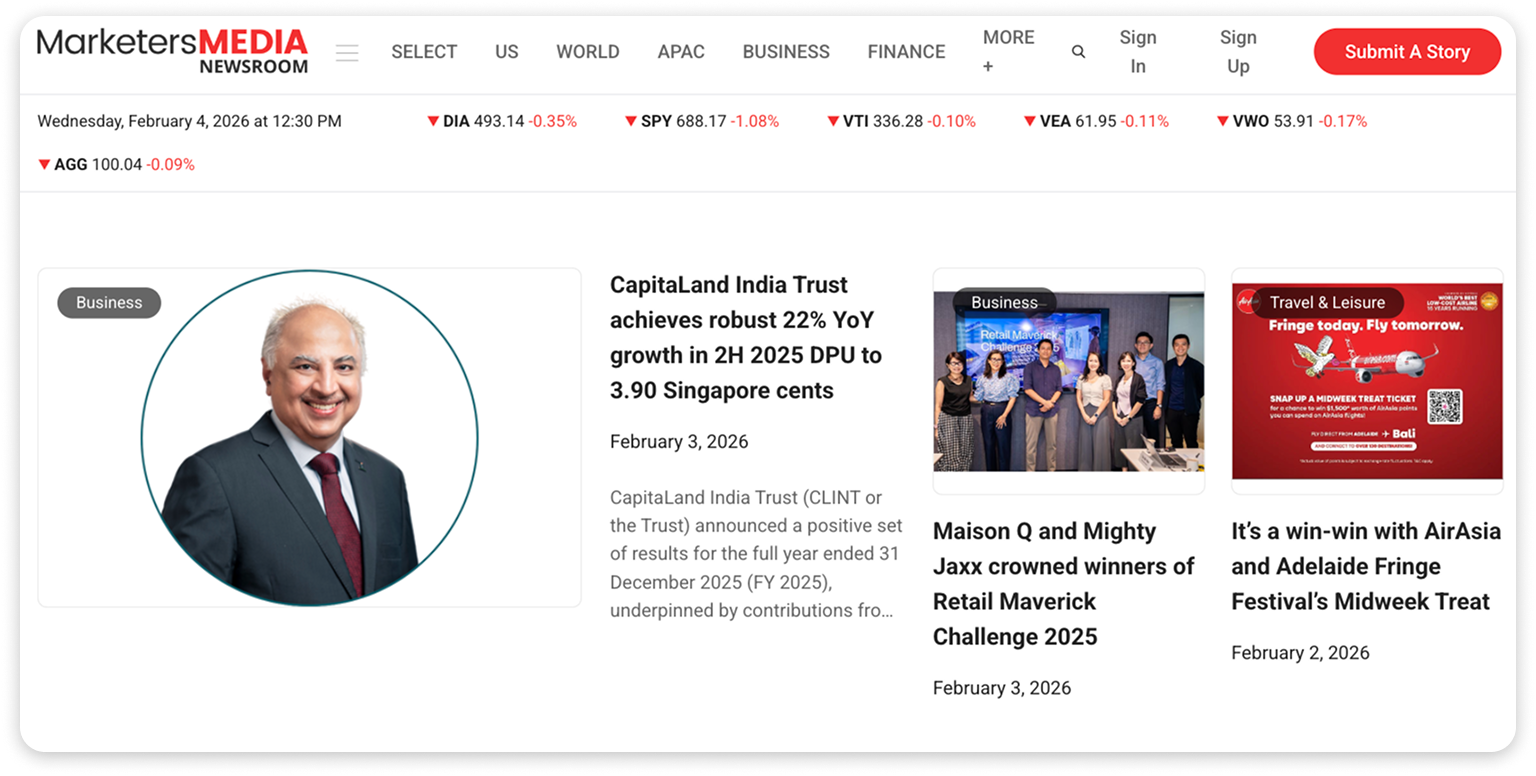
Unlike rented platforms such as social media or paid ads, owned media does not disappear when your budget runs out.
A blog post you publish today can still bring in traffic years from now. An email subscriber you gained last month is someone you can reach directly, anytime you want, without paying again just to show up in their inbox.
That’s the real value of owned media.
If you have heard marketers talk about the “PESO model,” this is what it means in plain English.
| Media Type | Definition | Examples |
| Owned Media | Channels you control and publish on yourself | Website, blog, email newsletter, YouTube channel, mobile app, content hub |
| Paid Media | Visibility you get by paying for ads or placements | Google Ads, Facebook ads, sponsored posts, influencer placements, display banners |
| Earned Media | Attention you get from others talking about you | Press coverage, customer reviews, social media shares, forum mentions, word of mouth |
Each one plays a different role.
Paid media is fast.
You can turn it on today and get traffic tomorrow. The downside is just as simple.
When you stop paying, the traffic stops. It is great for quick visibility, launches, and testing, but it does not build anything that lasts on its own.
Earned media builds trust.
A recommendation, a review, or a media mention carries more credibility than an ad. The problem is that you cannot fully control it.
You cannot schedule it on demand, and you cannot scale it the same way you scale ad spend. It is powerful, but unpredictable.
Owned media is what you build and keep.
Your website, blog, and email list do not disappear when a campaign ends. Every article you publish, every page you improve, and every subscriber you gain becomes something you can use again in the future.
Unlike paid and earned media, owned media does not reset to zero when spending stops or attention fades.
It keeps working in the background, bringing in traffic, leads, and readers long after the original work is done.
That is what makes owned media different. And that is why it is important for your brand.
Let’s break down exactly what owned media does for your brand:
With owned media, you decide the message, the tone, and the timing. You are not at the mercy of a platform’s rules or sudden changes.
On your website or email list, no one can suddenly reduce your reach, block your account, or change how your content is shown.
If you want to publish a new article, update a page, or email your audience, you can do it immediately.
That level of control makes your marketing more predictable and less risky.
Creating good content takes time and effort upfront. But once it is published, it does not stop working when the budget stops.
For example, MarketersMEDIA Newswire posted a press release examples guide in 2025, and it’s still bringing in readers and clicks in 2026.
They didn’t have to pay for those visits. The content keeps doing its job on its own.
Over time, owned media lowers your cost per lead because you are not paying for every single click.
When someone reads your blog, subscribes to your newsletter, or uses your resources, they are choosing to spend time with your brand.
That is very different from interrupting them with an ad. Helpful content shows that you understand their problems and have useful answers.
Over time, this builds trust.
Instead of being seen as just another company trying to sell something, your brand becomes a source of information people come back to.
Every visit to your website, every email signup, and every download gives you insight into what your audience cares about.
You can see which topics people read, which pages they spend time on, and what questions they are trying to solve.
This helps you improve your content, your offers, and your messaging. More importantly, this is data you own.
You are not dependent on a platform to tell you who your audience is or how to reach them.
Paid media starts from zero every time you launch a new campaign. Owned media does not.
Each new article, page, or resource adds to what you already have. More content can mean more search visibility. More visibility can mean more links and more returning visitors. Over time, this builds momentum.
The work you did last year still supports the work you do today, instead of being wasted once a campaign ends.
Owned media is powerful, but it’s not just one thing. It shows up in a few different forms. Here are four types of owned media, with examples you can use for your own brand.
Here are the core owned media channels you should be building:
Your website is the center of your online presence. It is where people go to understand what you do, what you offer, and how to take the next step.
It is also your most important owned media channel, because it brings together everything about your brand in one place, from your story and product pages to your newsroom, resources, and tutorials.
For example, MarketersMEDIA Newswire doesn’t just sell press release distribution on its website. It also uses the site to host its newsroom, publish educational content, and explain how its platform works, so visitors can understand the business before they ever talk to sales.
More importantly, because this is their own website, they can publish anything about their business or product there, from updates and announcements to documentation and explanations.
The website becomes the source of truth for what the company offers, how it works, and what is current, with no dependency on how other platforms choose to present or limit that information.
Your blog plays a different role.
It attracts people who are searching for answers, comparisons, or guidance related to your industry.
Each article becomes a new entry point into your business. Some visitors will come to read one post. Others will explore your site, sign up for your email list, or contact you.
Over time, your website and blog become a library of content that keeps bringing in new visitors without needing constant promotion.
Email is your most direct way to reach your audience. When someone joins your list, you are no longer dependent on an algorithm to appear in their feed.
You can use email to share new content, announce updates, educate customers, and bring people back to your website.
More importantly, you can reach the same audience repeatedly without paying for every message.
Email also works well for building habits. A regular newsletter trains readers to expect and look forward to hearing from you.
A fitness app is a good example of how a brand can become part of a user’s regular habits. People open these apps often, track progress, follow plans, and come back week after week.
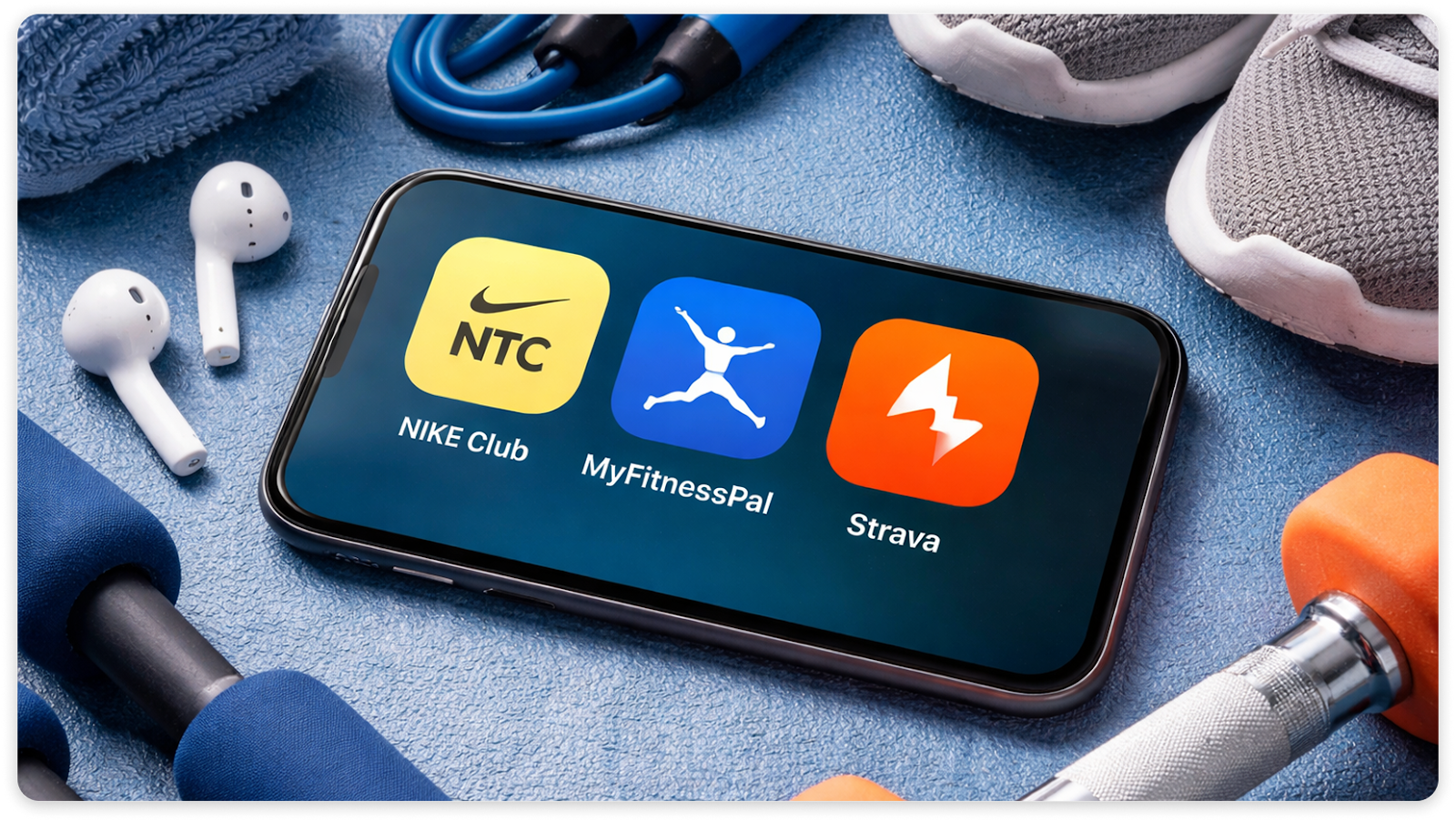
That’s why a mobile app makes sense when your product or service benefits from frequent use, personalization, or ongoing engagement.
An app lets you design the entire experience, from how users interact with your product to how and when you communicate with them.
You can offer features that are hard to deliver through a website alone, and you can stay connected through in-app messages or notifications.
Not every business needs an app, but for the right business model, it can become a powerful owned channel.
Video and audio channels are useful for reaching people who prefer to watch or listen instead of read.
These channels let you explain ideas in more depth, show your personality, and build familiarity over time.
Even if a platform hosts the content, the audience and the content itself become part of your broader owned media system when everything points back to your website, email list, or product.
Used well, these channels support your other owned media by driving repeat visits and deeper engagement.
You don’t need a big team or a huge budget to start building owned media. You just need to start in the right place and stay consistent.
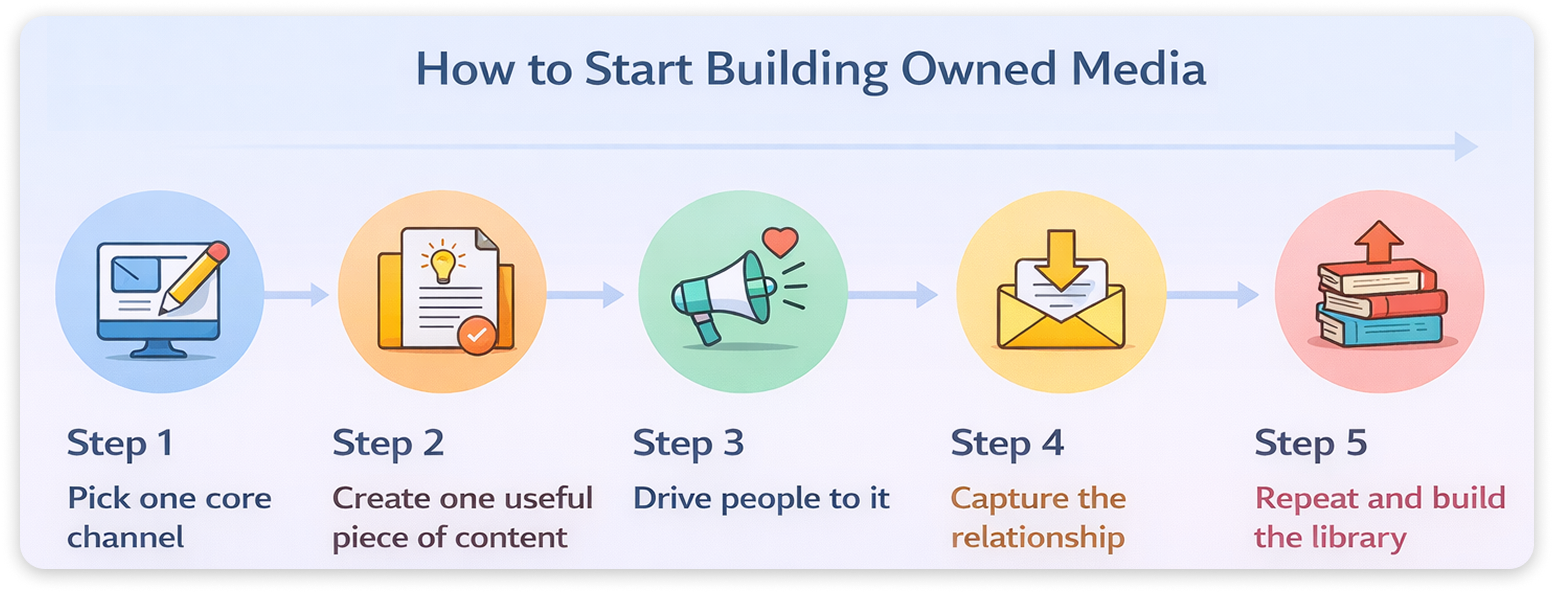
Start with either your website/blog or your email list.
If you already have a website, your blog is usually the easiest place to begin. If you already have traffic, focus on capturing emails.
While some brands try to build everything at once, it is often more practical to start with one or two core channels and get them working well first.
This makes it easier to stay consistent, learn what resonates with your audience, and avoid spreading your time and resources too thin early on.
Write something that answers a real question your customers have.
It could be a guide, a how-to article, a comparison, or a resource page. The goal is not to go viral. The goal is to be useful.
Use whatever you already have. Share it on social media. Link to it from your emails.
If you use ads, send that traffic to this content instead of straight to a sales page. Paid and social channels work best when they feed into your owned media.
Add a simple way for readers to subscribe, such as an email signup or a resource download. This turns one-time visitors into an audience you can reach again.
Do this consistently. Each new article, page, or resource adds to your owned media assets. Over time, you stop starting from zero and start building on what you already have.
The most important part is this: start small, but start. Owned media only works if you actually build it.
Here’s the bottom line: if you don’t own it, you don’t control it.
Paid ads have their place. Social media is important. PR and earned media can be game-changing. But none of it matters if you’re not building owned media assets that last.
Start small if you need to. Launch a blog. Start collecting emails. Create a content hub on your website. Just start building something you actually own.
The brands winning in 2026 are not the ones spending the most on ads. They are the ones who built a strong foundation of owned media, and then used paid and earned channels to amplify it.
Your website isn’t going to change its algorithm on you. Your email list won’t suddenly cost more to reach. Your blog content won’t disappear when your budget runs out.
That’s the power of owned media.
A: No. You own the content you post, but you do not own the platform. Social networks control reach, distribution, and visibility. Your account can be limited, deprioritized, or even removed. That’s why social media is better thought of as rented or earned distribution, not true owned media.
A: No. Owned media is most valuable when you start early. Even with small traffic, you are building assets that grow over time. A small email list, a few good articles, or a simple content hub is still something you control and can build on.
A: Yes. Owned media rewards usefulness and consistency more than budget size. A small business that answers specific customer questions well can attract the right audience, even in competitive markets. You do not need to outspend big brands. You need to be more relevant to your niche.
A: No. Consistency matters more than frequency. One high-quality article per week or even per month is better than posting often without a clear purpose. The goal is to build a useful library over time, not to chase volume.
A: No. Owned media supports sales, customer support, onboarding, and retention too. Your website, knowledge base, email sequences, and resources can reduce support costs, improve conversions, and help customers get more value from your product or service.


 PR playbook to get your brand cited in AI answer
How to check and fix what AI says about your brand
2 minutes checklist to make your PR AI-friendly
PR playbook to get your brand cited in AI answer
How to check and fix what AI says about your brand
2 minutes checklist to make your PR AI-friendly