New Media Unlocked!
You can now publish on USA TODAY through MarketersMEDIA. That's 142M+ monthly visitors and DR 92 backlinks for every release you publish.
Better reach, better SEO, better credibility.

You can now publish on USA TODAY through MarketersMEDIA. That's 142M+ monthly visitors and DR 92 backlinks for every release you publish.
Better reach, better SEO, better credibility.
Table of Content


Most businesses waste money on paid advertising because they treat it like a lottery ticket.
They launch ads, pick an audience, write copy, hit publish, and wait for sales. The logic seems simple: spend money on Google or Meta, customers will follow.
But that rarely happens.
Instead, you get no conversions, no clear ROI, and growing frustration with paid media itself—especially when there’s no plan for optimization.
The reality: Paid media isn’t “set it and forget it.” It’s continuous testing, adjustment, and direction.
When executed correctly, paid media becomes one of the fastest ways to increase visibility, attract the right traffic, and generate measurable results. The difference isn’t the budget. It’s the strategy.
That starts with understanding what paid media really is, which types and channels make sense for your brand, and how to use them in a way that amplifies what paid media does best: improving brand visibility.
So, what exactly is paid media?
Paid media is any channel where you pay to place your message in front of an audience you don’t own.
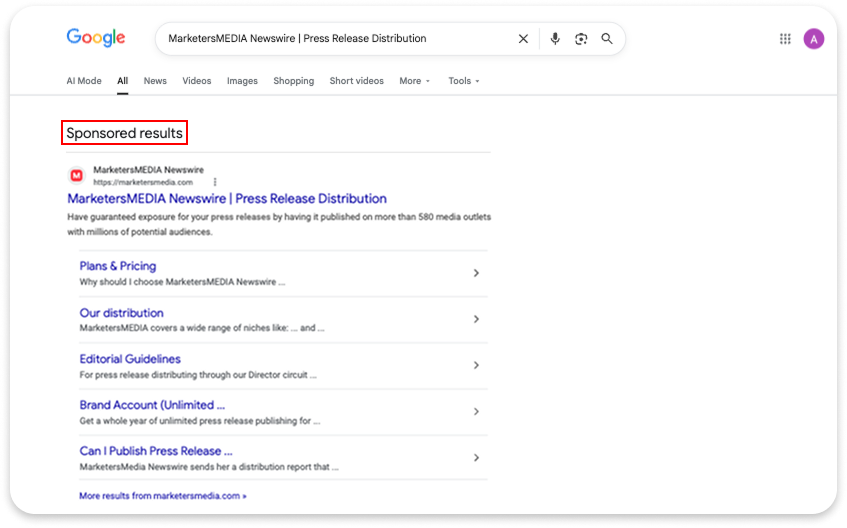
In Google Search, paid media appears at the top of results pages, clearly marked as “Sponsored.” This tag signals that the brand paid for visibility—distinguishing it from organic search results.
Common examples of paid media include:
If you are paying for visibility, placement, or reach, it falls under paid media.
But not all paid media works the same way. Different formats target users at different stages and produce very different outcomes. Choosing the wrong one burns budget fast.
Now let’s look at specific examples of each type and when they work best.
These are text ads at the top of Google when someone searches for something specific. You’re reaching people with high intent—they’re actively looking for a solution.
For example, when someone searches “skincare for sensitive skin,” they’re dealing with irritation or discomfort and want a product that works. They’re browsing for a solution they can use now.
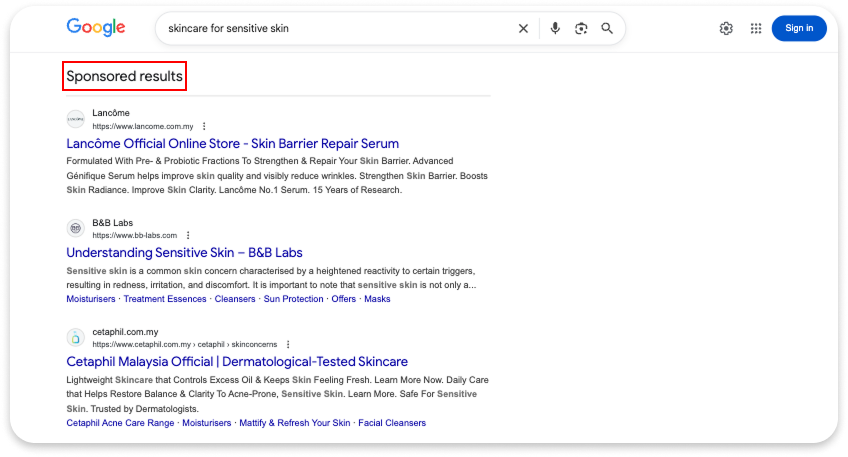
Brands like Lancôme and B&B Labs bid on that keyword (skincare for sensitive skin) so their ads appear at the top. This places them in front of users at the exact moment a purchase decision is being considered. Paid search works by matching ads to existing demand—not creating interest from scratch.
Platforms like Facebook, Instagram, LinkedIn, and TikTok allow advertisers to reach people based on detailed demographics, interests, job roles, and online behavior. Instead of waiting for someone to search, brands can place their message directly into a user’s feed.
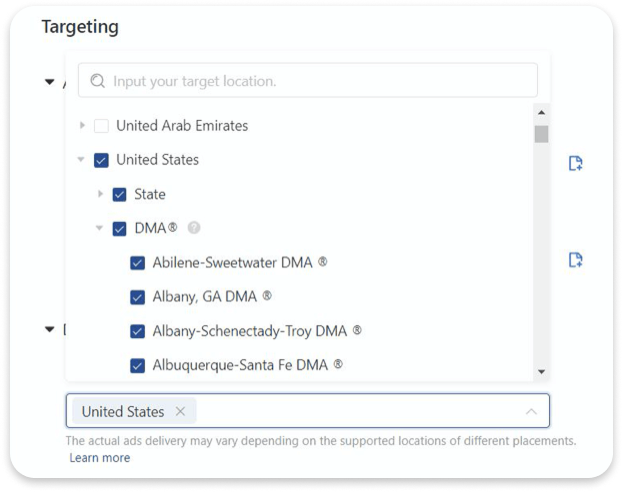
LinkedIn is commonly used for B2B campaigns because it allows targeting by job title, company size, and industry. A software company can narrow its ads to “IT Directors at healthcare companies with more than 500 employees”, ensuring the message reaches decision makers rather than a general audience.
Instagram targeting is interest and lifestyle-based. A skincare brand can reach women aged 25–40 who follow clean beauty accounts, engage with skincare content, or have shown interest in similar products.
Paid social becomes especially powerful when you know who your audience is, even if they’re not actively searching for your product yet. It’s ideal for building awareness, nurturing interest over time, launching new products, generating leads, and retargeting website visitors who didn’t convert.
Video is one of the most engaging formats because it combines:
This is what makes video such a powerful form of digital storytelling.
Whether it is a 6-second YouTube bumper ad, a skippable in-stream ad, or a 30-second TikTok Story, video captures attention quickly and communicates emotion almost instantly.
The Barbie movie’s 2023 campaign is a good example of how this works at scale.
Instead of relying only on traditional trailers, the campaign used short videos across YouTube, TikTok, and TV to build a shared visual identity around the color pink. Clips, memes, behind-the-scenes moments, and branded visuals were designed to be instantly recognizable and easy to share.
Over time, the campaign moved beyond promotion and became part of online culture, with audiences participating by creating and sharing their own content.
Video is effective because it lets brands show, not explain. Facial expressions, tone of voice, music, and real-world settings help people connect emotionally in seconds.
This kind of connection builds familiarity and trust much faster than static images or text alone, making video especially powerful for awareness, storytelling, and brand recall.
These are the banner ads that appear across websites, apps, and news pages. They are commonly used for brand awareness and for retargeting people who have already interacted with your site, product, or content.
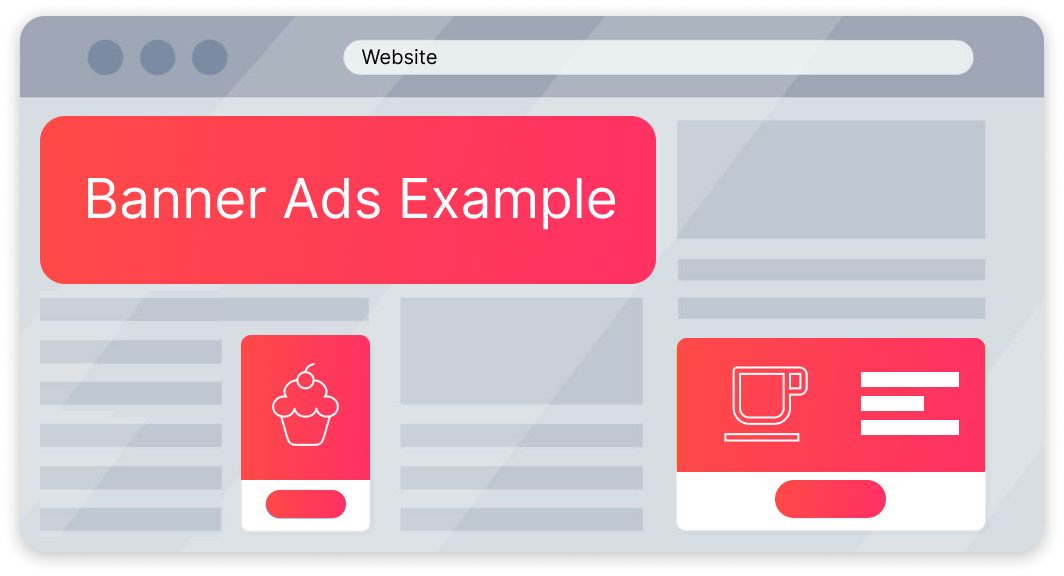
Here’s how retargeting works in practice: You browse a product on an online store, leave without buying, and then start seeing ads for that same product on other websites over the next few days. That is not accidental.
The brand is using display ads to stay visible after the initial visit, when interest already exists but the decision is not finished.
Most purchases are not immediate. People compare options, get distracted, or need time before committing.
Repeated exposure keeps a brand familiar and top of mind during that decision period, so when the customer is ready to act, they return to the name they recognize.
Display ads focus on reinforcement rather than instant conversion. By appearing consistently across the web, they help move users from initial interest to final purchase, especially for decisions that require multiple touchpoints.
Native ads are designed to blend into the platform they appear on.
Instead of standing out as obvious advertisements, they match the look, format, and tone of the surrounding content.
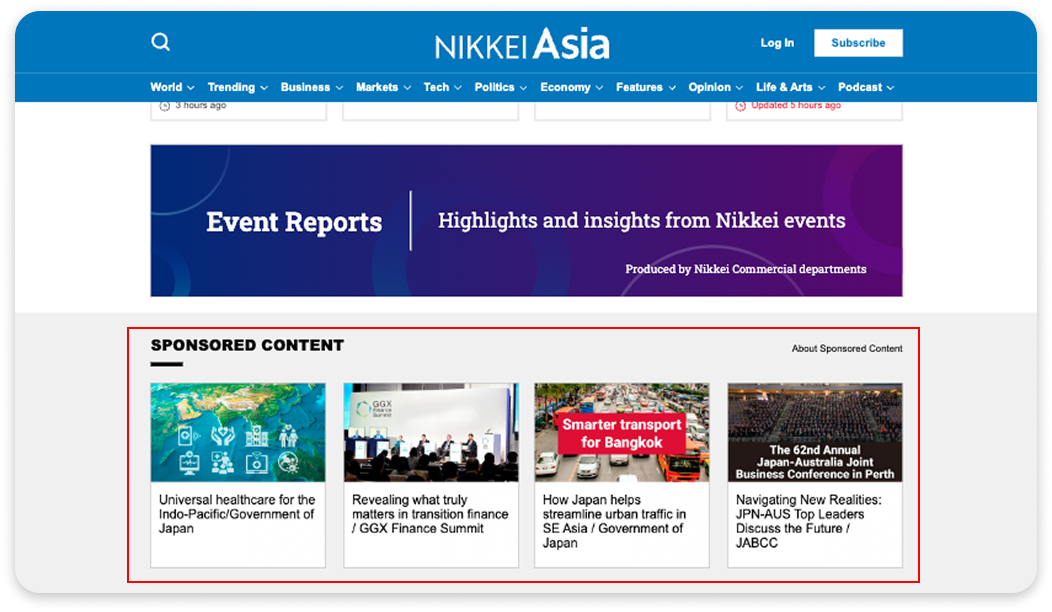
For instance, on the Nikkei Asia website, native ads appear in a “Sponsored Content” section that looks nearly identical to editorial articles.
The content provides valuable information—like insights on business trends in Asia—while subtly promoting a brand. Because native ads follow the same visual and editorial style as regular content, users are more likely to notice and engage with them.
This approach works because many people have learned to ignore banners, pop-ups, and aggressive sales messages. Native ads lower that resistance.
They often appear as “sponsored articles” on news websites or as “recommended content” sections at the bottom of an article.
When done well, they offer information that feels useful, relevant, or interesting before asking for anything in return. Instead of pushing a product, they invite the reader to explore a topic, which makes engagement feel natural rather than forced.
Native advertising is especially effective for education-driven campaigns, brand storytelling, and early-stage consideration, where trust and attention matter more than immediate clicks or conversions.
B2B companies use native ads for thought leadership, establishing expertise before prospects are ready to buy. Consumer brands use them to educate audiences about new product categories or shift perceptions over time.
Affiliate marketing is performance-based. Brands do not pay partners upfront. Instead, they only pay when a specific result happens, most commonly a sale or a qualified lead.
Each affiliate is given a unique tracking link or discount code. When a customer converts through that link, the brand can attribute the result to the correct partner. If no one converts, there is nothing to pay.
For example, a fitness supplement brand might work with health bloggers or content creators who share their genuine experience with the product and include an affiliate link.
If a follower makes a purchase through that link, the affiliate earns a commission. This model works well because costs are directly tied to results, making it low-risk for brands.
Influencer marketing is a paid media model where brands pay creators to promote a product or service to their audience.
In most cases, influencers are paid a fixed fee in exchange for specific deliverables, such as social media posts, videos, or stories.
Payment is based on content creation and exposure, not guaranteed sales or leads. Some campaigns use hybrid or performance-based structures, but these are less common.
Influencer content is usually disclosed with labels or hashtags such as #ad, #sponsored or paid partnership label, which platforms require for transparency.
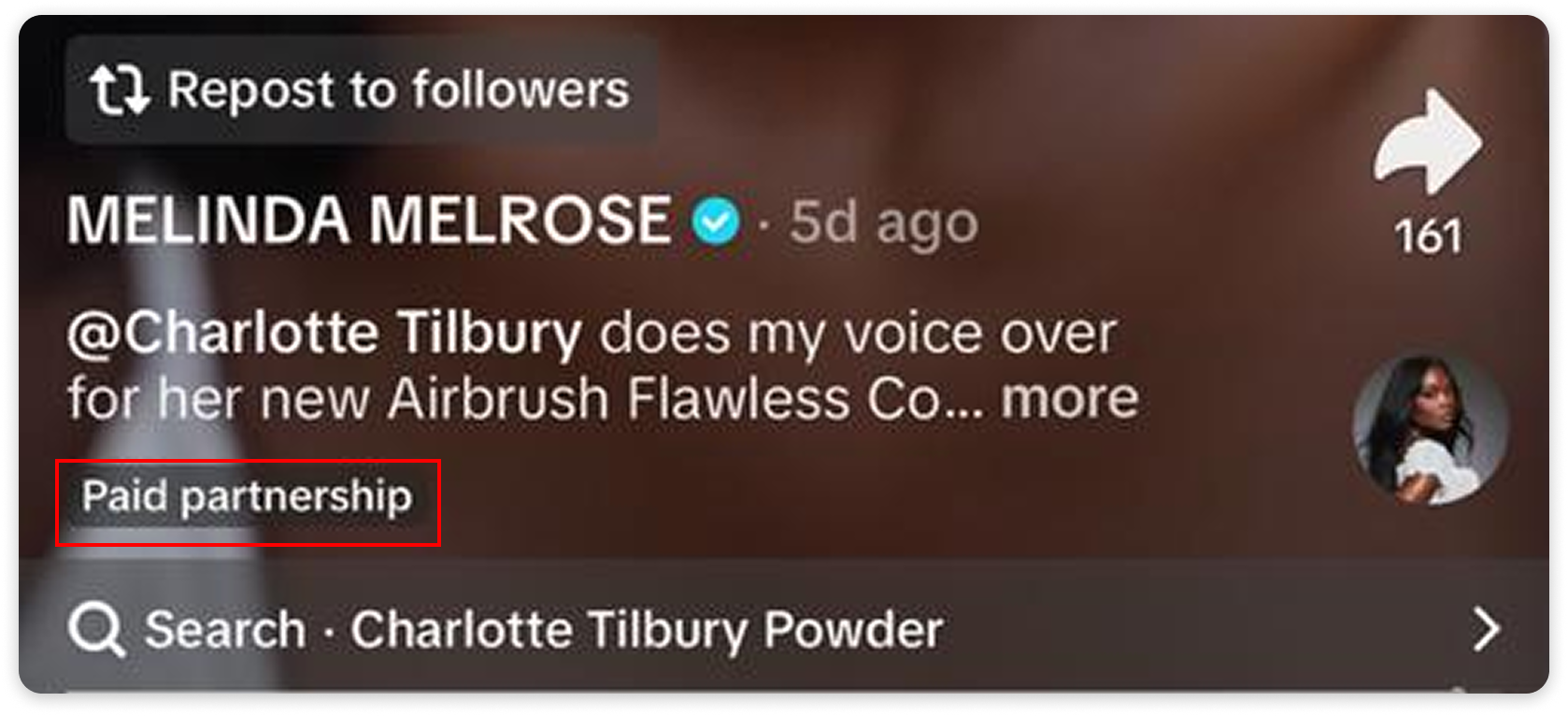
Examples of influencer marketing include:
This type of paid media works because brands gain access to an established audience, while the promotion is delivered in a format that feels closer to regular content than traditional advertising.
Want your brand story featured on credible media outlets?
MarketersMEDIA Newswire helps you get the kind of third-party visibility the big brands achieved—through press release distribution to established publications. Get in touch with us today.
Here’s where most businesses screw up:
More brands are competing for the same limited ad placements.
As demand for that space increases, platforms raise prices through their bidding systems, which pushes costs per click (CPC) higher over time.
What may have cost $2 per click last year can easily rise to $5 or more, even if nothing else about your campaign changes.
If your product margins or conversion rates cannot keep up with those increases, paid campaigns quickly become unprofitable.
At that point, spending more does not scale results, it simply accelerates losses.
People are exposed to thousands of ads every day across search results, social feeds, websites, and apps.
Over time, this constant exposure trains users to filter ads out almost automatically. They scroll past, skip, or mentally block anything that feels repetitive or irrelevant.
If your creative does not stand out or feel fresh, the ad rarely gets a second of real attention. The platform may still charge you for impressions or clicks, but the message never lands. In that situation, the budget is being spent without building awareness, interest, or recall.
For paid media to work, creative has to earn attention before anything else happens.
When you rely on paid media, you are ultimately dependent on platforms you do not control. Google, Meta, TikTok, and other ad platforms constantly update their algorithms, policies, and delivery systems.
A campaign that works today can stop performing tomorrow because of an algorithm update, a policy adjustment, or a shift in how ads are prioritized.
Google alone makes thousands of algorithm updates every year, many of them unannounced.
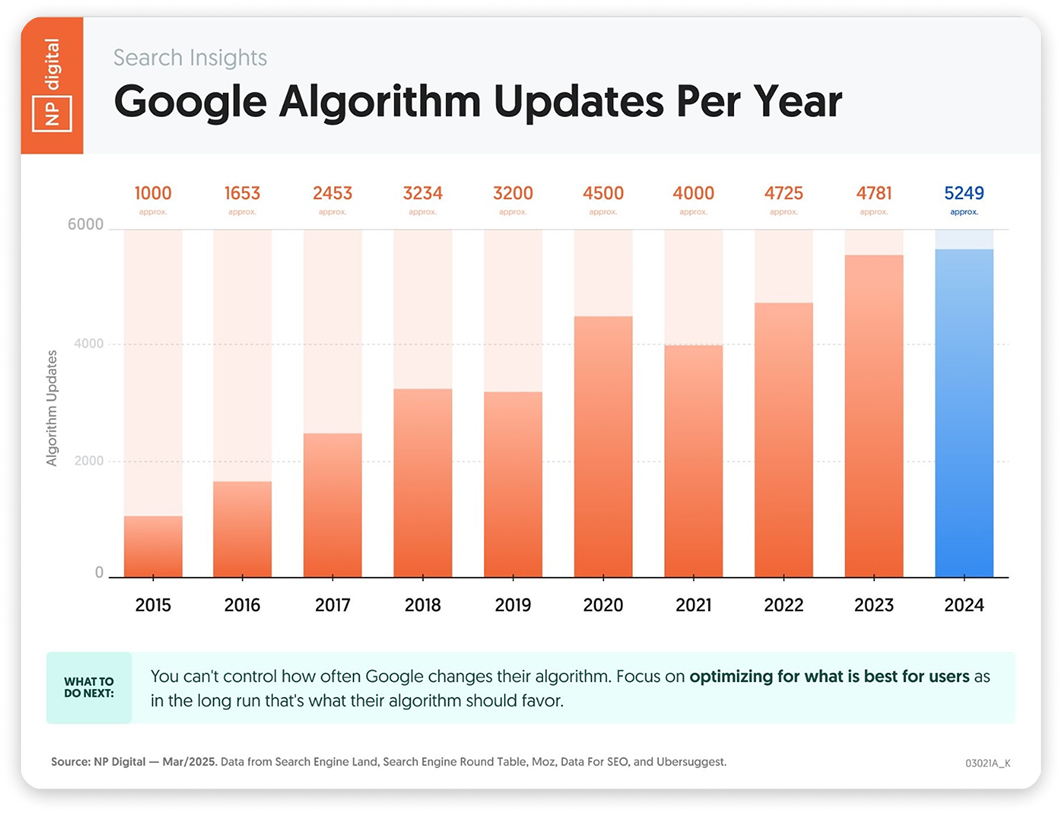
Even small changes can impact targeting accuracy, costs per click, or conversion rates. This means performance is never fully stable, no matter how well a campaign is set up.
Most people do not buy the first time they see an ad. They interact with a brand multiple times across different channels before converting.
For example, someone might first see your brand in a TikTok video. Later, they Google your brand name.
A few days after that, they see a Facebook ad and click it. Finally, they receive an email and make the purchase.
The problem is that each platform only sees its own part of that journey.
Facebook sees the click and says it drove the sale. Google sees the branded search and says it drove the sale. TikTok sees the earlier view and claims it created the interest.
None of them can see the full picture on their own.
Because of this, marketers often default to “last-click” attribution, which gives credit to the final interaction before the sale, such as a branded Google search or a Facebook retargeting ad.
That makes those channels look extremely effective, even though they may not be the reason the customer became interested in the first place.
The risk is that you end up putting more budget into channels that close the sale, while cutting spend on channels that create awareness and demand earlier in the journey.
Over time, this can shrink your pipeline, because fewer new people are discovering your brand in the first place.
These challenges do not mean paid media should be avoided. They mean it needs to be approached with more discipline and clarity.
Free Press Release Template
Get your free copy of press release template and advanced PR guide to run your press release.

Don’t just say “we want more sales.” Get specific:
Your goal determines everything including your channel, creative, budget, and KPIs.
You need to create detailed buyer personas.
A vague label such as “30-year-old professional” does not explain why someone buys, what problem they are trying to solve, or what would actually catch their attention.
Instead, you need something specific and relevant to your brand and target audience:
The better you understand your audience, the better your ads will resonate.
Step 3: Choose Your Channels Strategically (Not Randomly)
Trying to run ads on every platform at once usually spreads budgets, attention, and learning too thin. Each platform has its own audience, content style, and performance dynamics.
When you split your effort across too many channels, it becomes harder to understand what is working and why.
Instead, focus on two or three channels where your target customers already spend time and make decisions.
For instance:
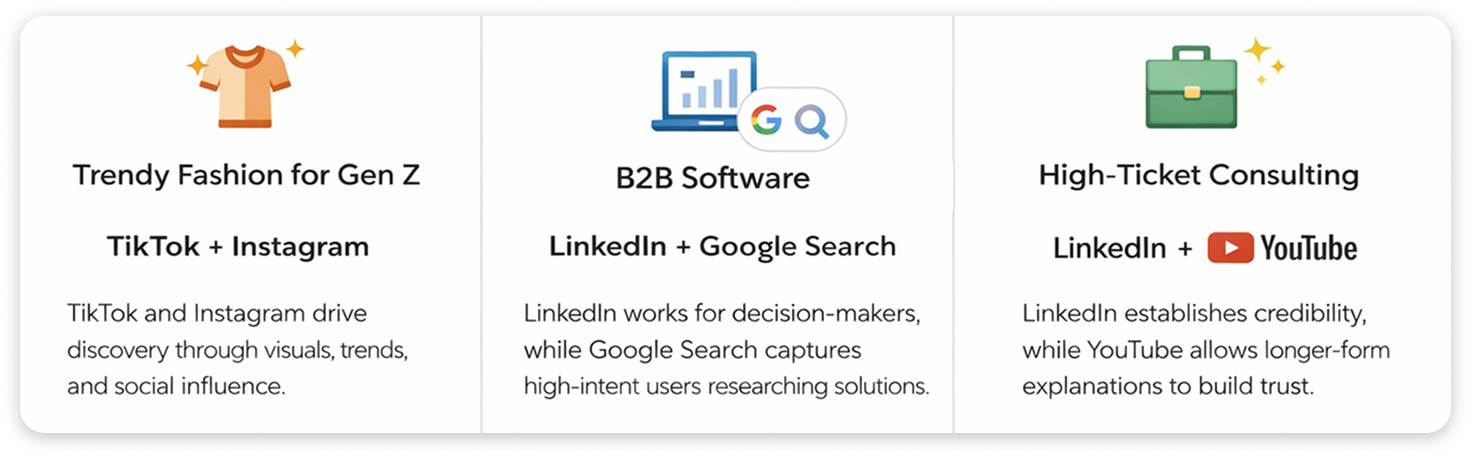
The goal is to match the channel to how your customer discovers, evaluates, and decides to buy.
Even with perfect targeting, people will ignore an ad that looks generic, boring, or unclear.
On the other hand, a strong ad with clear messaging, relatable pain points, and compelling visuals can still perform well even when targeting is imperfect.
What makes a good ad?
Launch isn’t the finish line—it’s the starting line. Track your KPIs religiously:
If something’s not working, kill it. If something’s crushing it, double down. Paid media isn’t “set it and forget it”—it’s “test, learn, and optimize constantly.”
Here’s the bottom line: your paid media campaign doesn’t have to fail.
Yes, costs are rising. Yes, competition is fierce. Yes, attribution is messy. But the brands winning with paid media aren’t lucky, they’re strategic.
They know their audience, they choose the right channels, they create scroll-stopping content, and they optimize relentlessly.
Paid media offers something almost nothing else can: speed, control, and scale.
You can go from zero visibility to thousands of targeted eyeballs in 24 hours. You can test messaging, iterate creative, and find product-market fit faster than any other channel.
But only if you treat it like the strategic investment it is—not a lottery ticket.
So before you launch your next campaign, ask yourself:
If you can answer yes to those questions, your paid media campaign has a much better chance of succeeding.
For a clearer view of how paid media works alongside other channels, learn more about the PESO model here.
A: Paid media is a category within advertising. It refers specifically to paid placements on third-party platforms such as search engines, social networks, and media sites. Not all advertising channels qualify as paid media, but all paid media involves advertising spend.
A: There is no fixed minimum budget. What matters more is whether the budget matches the goal. Small budgets can work for testing messaging or targeting, while larger budgets are needed for scale, reach, or competitive keywords. A budget without a clear objective is more likely to be wasted.
A: Paid media can generate visibility immediately, often within hours of launch. However, meaningful performance usually improves over time as data is collected, creatives are refined, and targeting is adjusted. Early results should be treated as signals, not final outcomes.
A: Yes, but not by copying big-brand strategies. Smaller businesses compete by focusing on niche audiences, specific problems, and high-intent keywords rather than broad reach. Precision often beats scale in paid media.
Landing pages have a direct impact on conversion rates and costs. Even well-targeted ads fail if the landing page is slow, unclear, or misaligned with the ad message. Paid media performance is strongly tied to what happens after the click.


 PR playbook to get your brand cited in AI answer
How to check and fix what AI says about your brand
2 minutes checklist to make your PR AI-friendly
PR playbook to get your brand cited in AI answer
How to check and fix what AI says about your brand
2 minutes checklist to make your PR AI-friendly