New Media Unlocked!
You can now publish on USA TODAY through MarketersMEDIA. That's 142M+ monthly visitors and DR 92 backlinks for every release you publish.
Better reach, better SEO, better credibility.

You can now publish on USA TODAY through MarketersMEDIA. That's 142M+ monthly visitors and DR 92 backlinks for every release you publish.
Better reach, better SEO, better credibility.
Table of Content


What happens when your company faces a sudden reputation crisis at 2:00 AM?
The answer determines whether you survive the next news cycle or become another cautionary tale. That’s where PR communications comes in. It’s more than just sending press releases or posting on social media.
This guide explains what PR communications is, how it differs from other communication functions, and why it directly affects business outcomes.

PR communications is the strategic management of relationships and reputation through earned media, storytelling, and third-party credibility.
It centers on persuasive communication that shapes public perception.
The primary goal is to build and protect reputation through validation rather than paid advertising. When a journalist covers your company objectively, that message carries significantly higher trust than any advertisement you could buy.
Think of it this way: advertising is what you say about yourself. PR communications is what others say about you.
PR and communications are often used interchangeably, but they operate at different strategic levels within an organization.
Public relations focuses on media and public relationships and often reacts to news cycles and immediate opportunities.
Corporate communications takes a broader view. It encompasses internal communications, investor relations, and public relations under one umbrella. The goal is to ensure every message reflects your core values.
Strategic communications is the highest level. It treats PR as one component of a data-driven, mission-aligned framework. Every communication decision connects to business outcomes and long-term goals.
Here’s a quick comparison:
| Feature | Public Relations | Strategic Communications |
|---|---|---|
| Focus | Media relations and public perception | Mission-aligned messaging across all channels |
| Timeframe | Reactive and short-term | Proactive and long-term |
| Metrics | Media mentions and sentiment | Business outcomes and ROI |
| Approach | Creative storytelling | Data analytics and testing |
The distinction matters because PR professionals who understand this hierarchy can position their work as a strategic asset.
PR uses communication tools to earn credibility, while most communication does not involve third-party validation.
Advertising, internal memos, sales materials, and packaging are controlled messages. They inform or persuade, but they do not earn credibility through third-party validation. PR sits at the intersection of communication and trust, using earned media to shape reputation.
Reputation management protects market value by shaping how stakeholders perceive and trust an organization over time.
PR communications builds credibility through consistent coverage and transparency, creating a trust reserve when pressure is highest.
Crisis communications focuses on rapid, accurate responses that prevent misinformation from defining the narrative.
Effective crisis response depends on preparation, clear protocols, and established journalist and stakeholder relationships.
📍 For more on managing reputation threats, check out this guide on PR crisis management.
PR communications encompasses several specialized functions, each requiring specific expertise.
Media Relations: Building relationships with journalists, bloggers, and influencers to secure coverage and manage risk.
Stakeholder Engagement: PR professionals manage relationships with multiple audiences simultaneously, each requiring tailored messaging that addresses their specific concerns.
Internal Communications: PR plays a key role in aligning workforce perceptions with organizational goals. When internal messaging doesn’t match external promises, you get cognitive dissonance that leads to disengagement or leaks.
Investor Relations (IR): It connects corporate management and the financial community through regulated performance communication, turning complex data into clear, consistent narratives when aligned with PR.
Community Relations: This involves building mutually beneficial relationships with local communities to earn support and visibility as a socially responsible contributor.
Effective PR relies on structured tools that support distribution, monitoring, credibility, and measurement.
Press releases remain a foundational tool for announcing news, product launches, and company milestones.
Structure your releases with clear headlines, concise information, and relevant quotes. Include data points and statistics to support your story. This structure makes it easier for journalists to extract key information quickly.
Platforms like MarketersMEDIA Newswire help distribute press releases to journalists and news outlets efficiently, ensuring your announcements reach the right audiences across multiple channels.
Social listening tools provide real-time insight into brand sentiment, trends, and emerging risks, serving as early warning systems during crises.
Creating data-backed content positions your organization as a credible source journalists and audiences want to reference and cite.
Building relationships with the right journalists requires knowing who covers your industry and what stories interest them. Media databases help identify relevant reporters, bloggers, and influencers.
Modern measurement focuses on sentiment analysis, share of voice compared to competitors, website traffic from PR placements, and outcome attribution.
Set clear KPIs tied to business objectives. Track how media coverage influences brand searches, site visits, and ultimately revenue. This data helps justify PR investment and refine strategy.
🎯 For more tactical approaches, explore these PR tactics that deliver measurable results.
Reputation directly impacts your bottom line.
Companies with strong reputations command higher valuations, attract better talent, and weather crises more effectively than their competitors.
Here’s why it matters more than ever:
Credibility Over Control: Customers rely on earned media 92% more than paid media. When a journalist or influencer covers your brand objectively, the message carries significantly higher trust than any advertisement.
Long-Term Compounding Value: PR mentions remain in search results and archives indefinitely, continuing to build authority. A strong media feature from six months ago still drives traffic and trust today.
Direct Business Impact: Strategic PR connects to measurable outcomes like revenue growth, market expansion, and customer retention.
Financial Premium: Senior communicators who can articulate how reputation impacts the balance sheet often command a 15–20% salary premium in high-risk sectors.
Crisis Resilience: A strong “trust bank” built through consistent PR helps companies recover faster from setbacks by establishing credibility before a crisis occurs. Building a strong PR team that understands these dynamics becomes a competitive advantage.
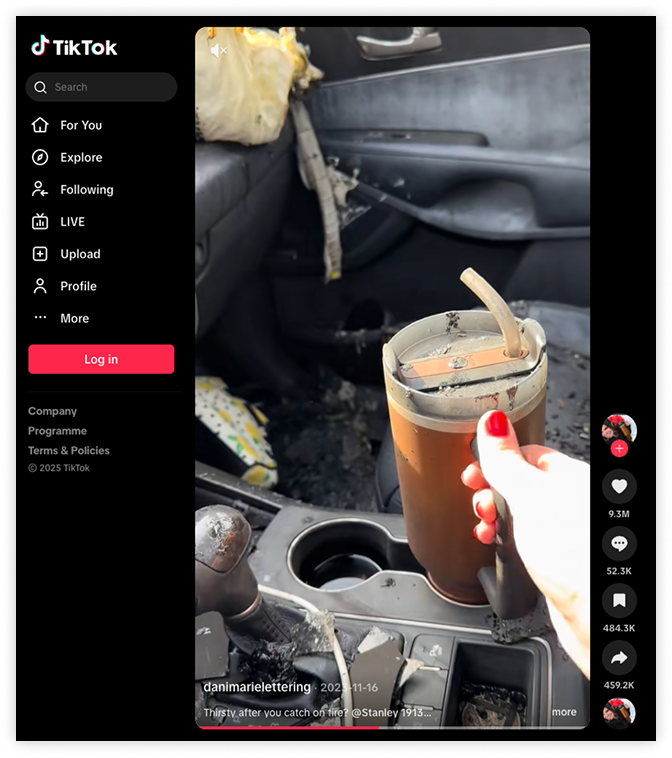
In late 2023, a TikTok video showed a Stanley tumbler surviving a car fire with ice still intact.
The brand’s president responded within 48 hours, gifting the creator a new car and replacement tumblers.
This authentic, rapid response transitioned Stanley from a niche outdoor product to a mainstream cultural phenomenon. The case highlights the power of real-time reputation management and turning user-generated content into a global PR win.

Duolingo capitalized on the viral “brat” trend of Summer 2024 by integrating its brand personality with Charli XCX’s aesthetic.
Using humorous, language-related content on TikTok, the brand resonated with Gen Z and encouraged massive user participation.
The lesson? Tune into cultural nuances and react with speed and authenticity. Duolingo didn’t force the trend; they joined it naturally.
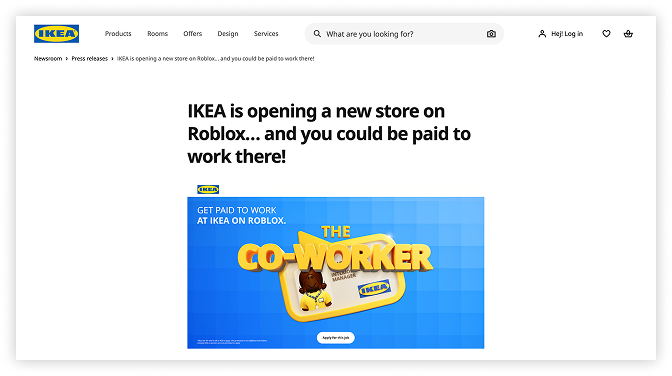
IKEA UK & Ireland launched a campaign that included opening a virtual store in Roblox and offering real-life job interviews within the game.
This integrated marketing and PR effort broke through the noise by using original research and a creative platform to reach younger audiences. It earned high-profile awards for innovative employer branding.
Each example demonstrates different aspects of successful PR communications: speed, cultural awareness, and creative platform usage.
💡 For more inspiration, see these public relations examples.
PR communications has evolved from a reactive support function into a strategic discipline that directly influences business outcomes. High-performing organizations treat reputation as a tangible asset, investing in credibility, transparency, and measurable communication.
As AI reshapes how information is discovered and trusted, PR becomes more critical, not less. While tools and systems continue to change, the fundamentals remain constant: authentic relationships, credible storytelling, and communication decisions tied to business objectives, built well before trust is tested.
A: PR earns trust through third-party validation like media coverage, while marketing uses paid channels for direct customer acquisition. PR builds long-term credibility; marketing drives short-term conversions. The best strategies integrate both.
A: Strategic PR measures business outcomes: how perception shifts lead to revenue increases, market share gains, or improved retention. Traditional metrics like media mentions and sentiment are starting points, but attribution to business results is the gold standard.
A: Social listening platforms (Brandwatch, Sprout Social), media databases for journalist outreach, analytics platforms for measuring impact, and distribution services like MarketersMEDIA Newswire for press releases.
A: Initial media coverage can happen within weeks, but building sustained credibility typically requires 6-12 months of consistent effort. Unlike advertising, PR results compound over time.
A: In-house teams provide brand knowledge and real-time responsiveness. Agencies offer specialized expertise and media relationships. Many organizations use a hybrid model—in-house leadership with agency support for campaigns.
A: Social media monitors public sentiment, enables direct stakeholder engagement, distributes content, and identifies emerging issues before they become crises. It’s shifted PR from purely media relations to multi-channel stakeholder management.
A: PR and IR deliver a unified capital narrative. PR makes financial data accessible through storytelling, while IR provides precision and market intelligence. When aligned, they reinforce trust with both retail investors and institutional shareholders.
A: A good strategy connects with clear business objectives, identifies specific target audiences, defines measurable outcomes, and integrates across channels. It’s proactive rather than reactive and adapts based on performance data.


 PR playbook to get your brand cited in AI answer
How to check and fix what AI says about your brand
2 minutes checklist to make your PR AI-friendly
PR playbook to get your brand cited in AI answer
How to check and fix what AI says about your brand
2 minutes checklist to make your PR AI-friendly