New Media Unlocked!
You can now publish on USA TODAY through MarketersMEDIA. That's 142M+ monthly visitors and DR 92 backlinks for every release you publish.
Better reach, better SEO, better credibility.

You can now publish on USA TODAY through MarketersMEDIA. That's 142M+ monthly visitors and DR 92 backlinks for every release you publish.
Better reach, better SEO, better credibility.
Table of Content


A single social media post from an influencer can ruin your brand reputation.
But the opposite is also true. A single post can significantly strengthen your brand’s credibility in the eyes of the public.
This is because influencers sit between brands and the public. When they say yes to a brand, most people take that as a signal it’s worth trusting.
The problem is that many brands treat that trust too lightly. They rush to get a post live instead of making sure the right person is saying yes to partner up with their brand.
They chase views instead of whether the post actually changes how people think about the brand. As a result, the content goes out, but it does very little to shift perception.
It becomes worse when brands confuse influencer marketing with influencer public relations (PR).
To see why that distinction matters, it helps to start with a simple question: what exactly is influencer public relations?
Free Press Release Template
Get your free copy of press release template and advanced PR guide to run your press release.

Influencer PR is the strategic practice of partnering with content creators to build brand credibility, expand reach, and shape public perception.
It sits at the intersection of traditional public relations (PR) and influencer marketing. But it’s distinctly different from both.
Traditional PR focuses on earning media coverage through journalists and publications.
Examples of traditional PR include sending press releases through newswire platforms, including MarketersMEDIA Newswire, to inform newsrooms about funding rounds, new products, or executive appointments.
Influencer marketing focuses on paid partnerships for promotional content. You can usually spot it when a creator promotes a brand and clearly discloses the post with tags like #ad or #sponsored.
Influencer PR combines both elements—treating creators as media channels while building authentic relationships that generate genuine advocacy.
The key difference? Intent and execution.
Influencer PR prioritizes credibility over reach, relationship-building over transactions, and long-term brand positioning over short-term conversions.
For example, when you send a product to a tech reviewer, you are not paying for an ad. You are giving them the option to review it and share their honest opinion with an audience that already trusts them.
You can think of influencers as independent publishers.
They have audiences, editorial standards, and reputations to protect. Influencer PR respects this dynamic rather than treating creators as advertising inventory.
Unlike short-term influencer marketing campaigns, influencer PR focuses on building credibility, relevance, and long-term visibility through trusted voices.
Below are the key benefits brands see when influencer PR is executed with the right strategy:
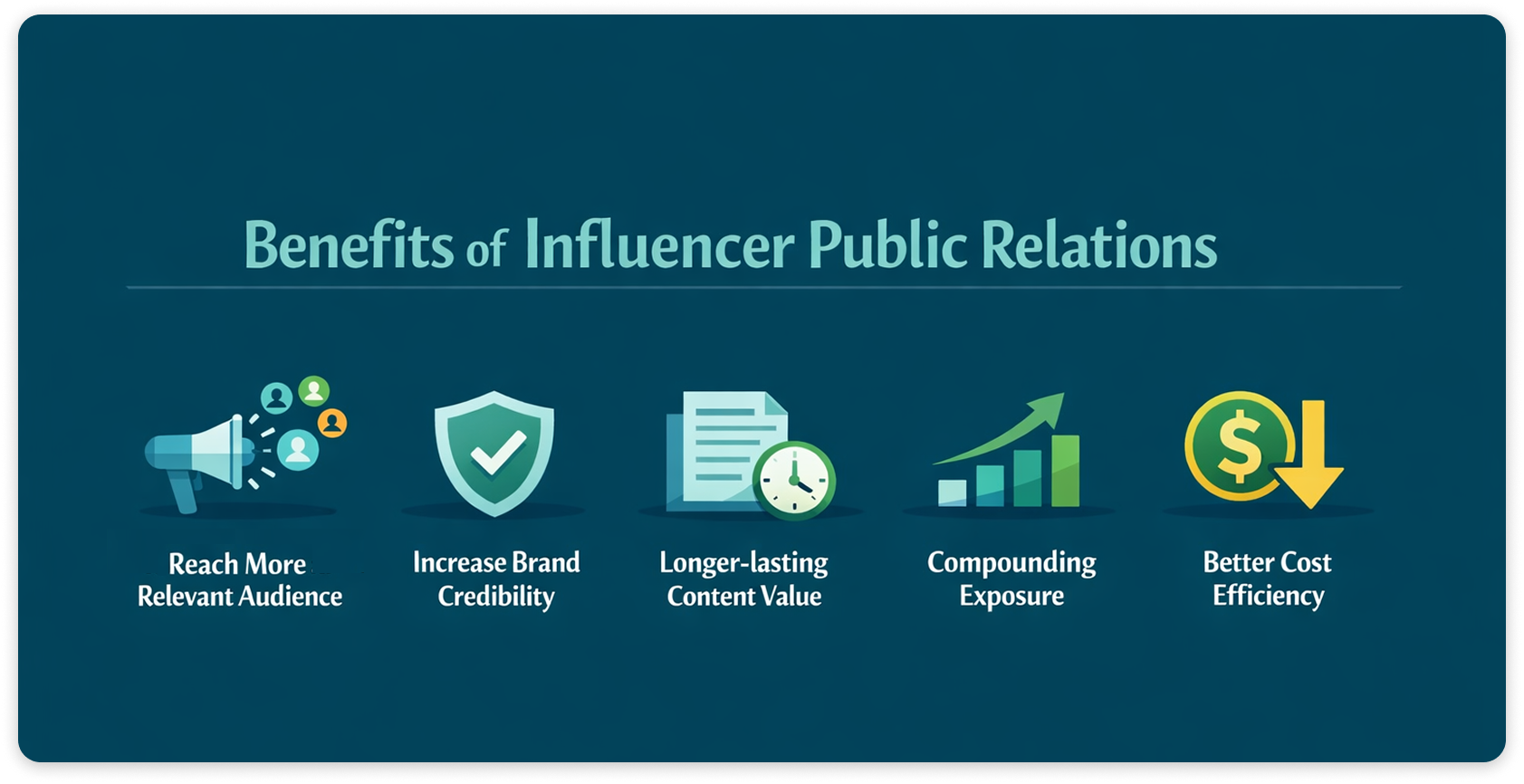
Influencer audiences are formed around shared interests, professions, or lifestyles, making the reach naturally targeted from the start.
This allows brand messages to reach people who are already aligned with their products or services, rather than a broad and unfocused audience.
When a brand message is shared through an influencer who genuinely fits the brand, it appears in a context the audience already trusts and understands.
Instead of feeling like a generic announcement or paid placement, the message becomes part of an ongoing conversation the audience is actively following.
This context increases the chances that the message is noticed, clearly understood, and remembered.
From a public relations perspective, relevance matters more than raw reach. Coverage that reaches the right audience improves message clarity, reduces wasted exposure, and increases the likelihood that the story continues through shares, discussions, and additional media coverage.
Influencer public relations improves credibility because it shifts the message away from self-promotion and into third-party endorsement.
When a brand talks about itself, audiences naturally approach the message with skepticism. When the same message is communicated by a trusted influencer, it carries more weight.
Influencers build credibility by consistently showing expertise, experience, or honest opinions within a specific niche.
Their audiences trust them because that trust has been earned over time. When an influencer mentions a brand, that trust transfers to the brand by association.
From a PR standpoint, this works because credibility is built through independent voices, not brand claims. Seeing a brand referenced by someone outside the company signals legitimacy, reduces doubt, and makes the brand feel more established.
This is why influencer PR often has a stronger impact on perception than direct advertising.
Influencer public relations produces content that continues to deliver value long after the initial post goes live.
This happens because influencer content:
Posts, videos, and articles stay on social platforms, blogs, and channels, allowing new audiences to discover them over time.
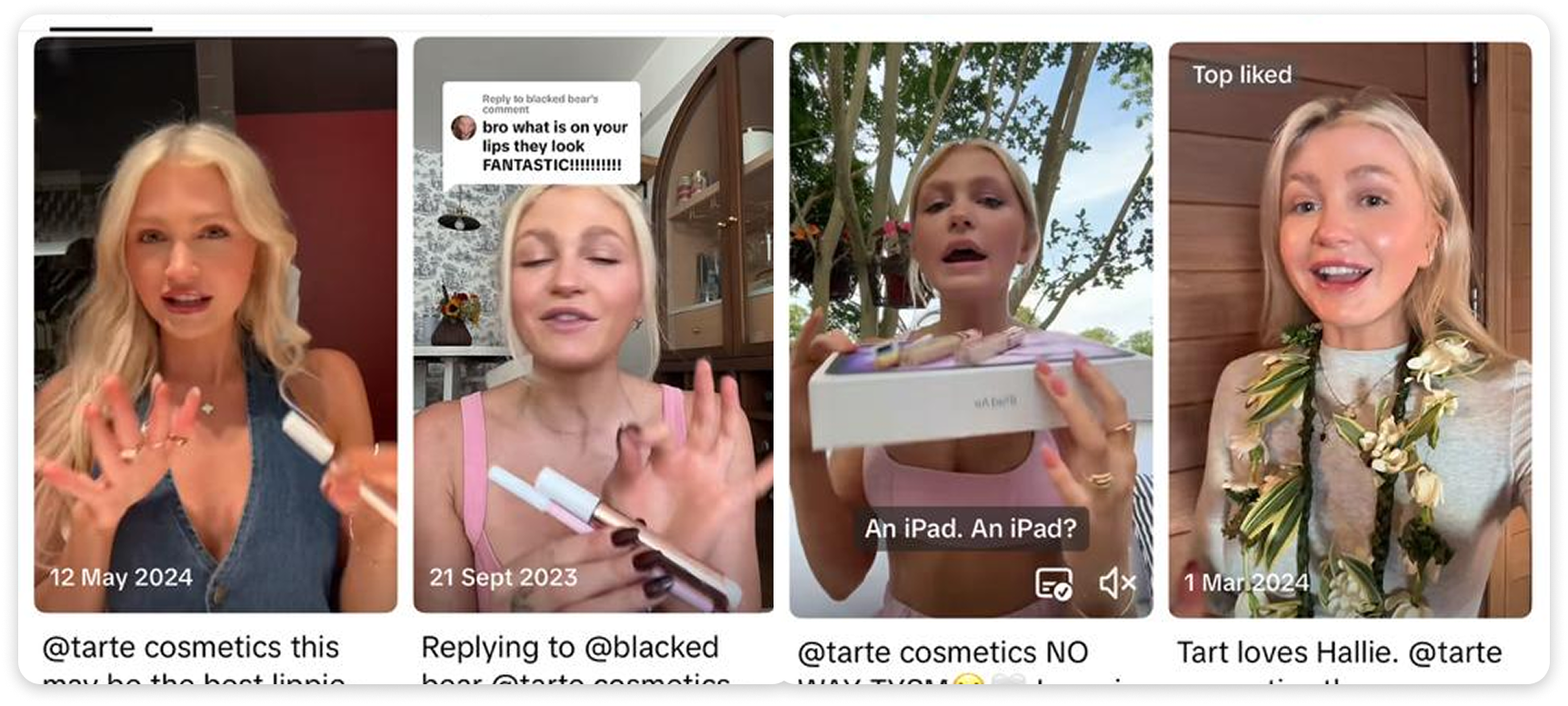
For instance, TikTok posts showing PR packages from Tarte Cosmetics shared by Halley Kate are still available on her profile, even though they were posted in 2023 and 2024.
Additionally, because the content remains public, it can continue to surface when people search for Tarte Cosmetics, PR packages, or related topics.
This allows the brand to gain ongoing visibility long after the original posting date, without additional effort or spend.
Unlike time-limited ads, influencer content is often built around real experiences such as a stay, a visit, or hands-on use of a product or service.
Instead of pushing a short promotional message, the influencer explains what happened, what they liked, and how the experience felt.
For example, when an influencer shares a hotel stay, the content usually includes the room, amenities, location, and overall experience. Even months or years later, people searching for reviews or travel ideas can still find and rely on that content.
Because the content answers real questions and reflects actual experiences, it stays relevant beyond a campaign window and continues to attract views and engagement over time.
Compounding exposure refers to how brand visibility grows over time through repeated, consistent appearances rather than a single moment of attention.
Instead of relying on one post to carry the message, each influencer mentions contributes to a broader and more sustained brand presence.
In influencer public relations, this happens when multiple influencers feature the same brand, or when content continues to resurface through searches, shares, and platform recommendations.
For example, makeup brand Patrick Ta regularly appears on TikTok through posts from different influencers. Each creator offers their own perspective, whether it’s a product launch, a routine, or a shade review, while reinforcing the same brand identity.
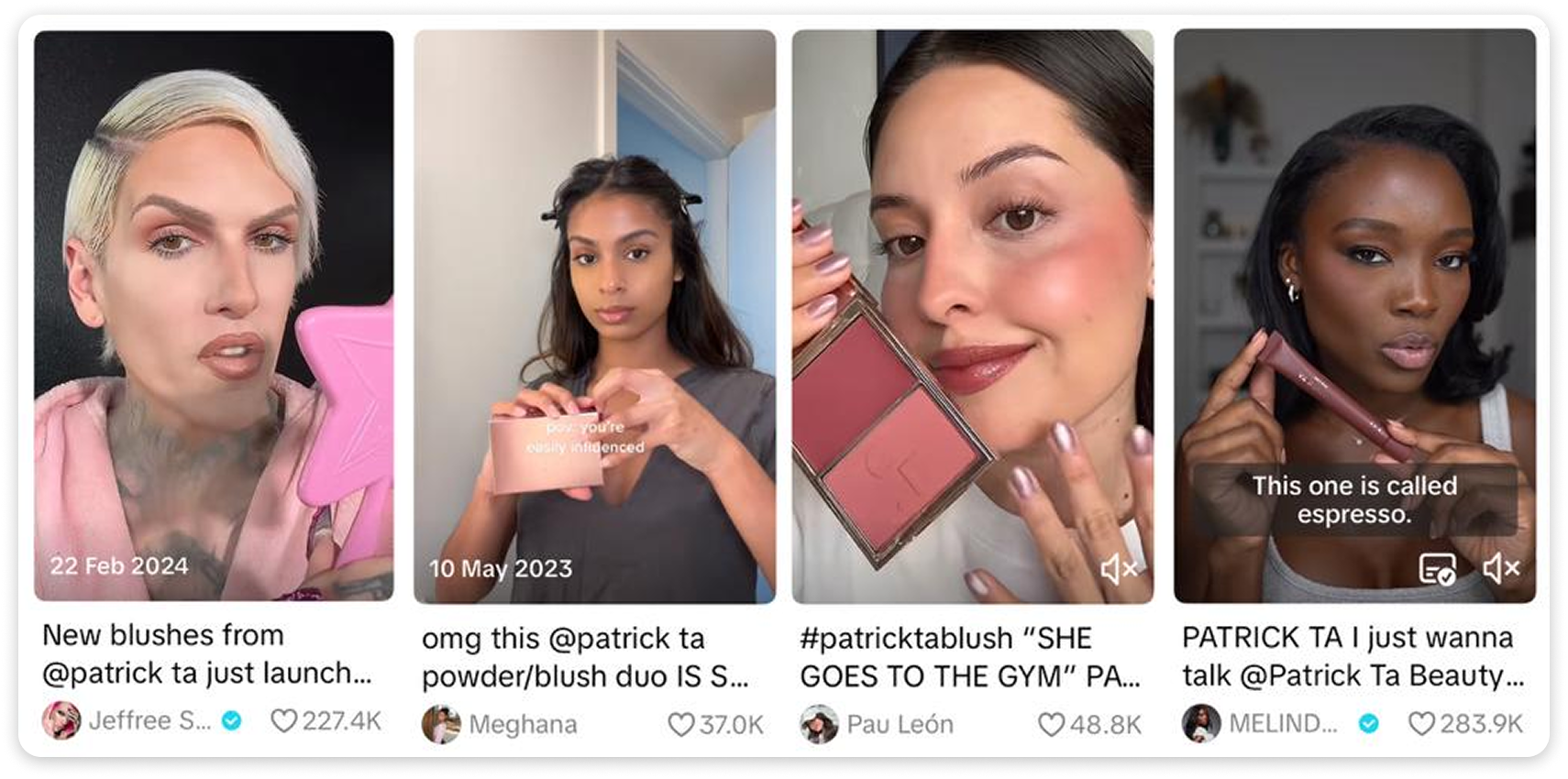
Over time, these repeated appearances build familiarity and recognition.
As exposure compounds, audiences are more likely to remember the brand, trust it, and pay attention when they encounter it again, helping the brand stay visible well beyond a single campaign.
Influencer public relations is often more cost efficient because one collaboration can generate value across multiple touchpoints over time.
Instead of paying repeatedly for short-lived ads, brands invest in content that continues to deliver visibility after the initial posting.
Influencer content can be reused, reshared, and rediscovered through searches, recommendations, and audience sharing. This extends the return on a single placement without requiring additional spend for each new impression.
These benefits don’t come from influencer PR alone. They come from how influencer PR is executed.
Relevance, credibility, long-term content value, compounding exposure, and cost efficiency are all outcomes of a deliberate strategy, not one-off placements or random influencer outreach.
If you want to optimize these benefits, the next section breaks down the strategy behind effective influencer PR and how to apply it correctly.
Your PR objectives could be varied:
Your objectives determine which creators are relevant to your campaign and what kind of partnerships make the most sense.
The key is to focus on creators your audience already trusts, and are relevant to your brand. These are people who consistently share useful, credible content, and whose opinions actually carry weight with their followers.
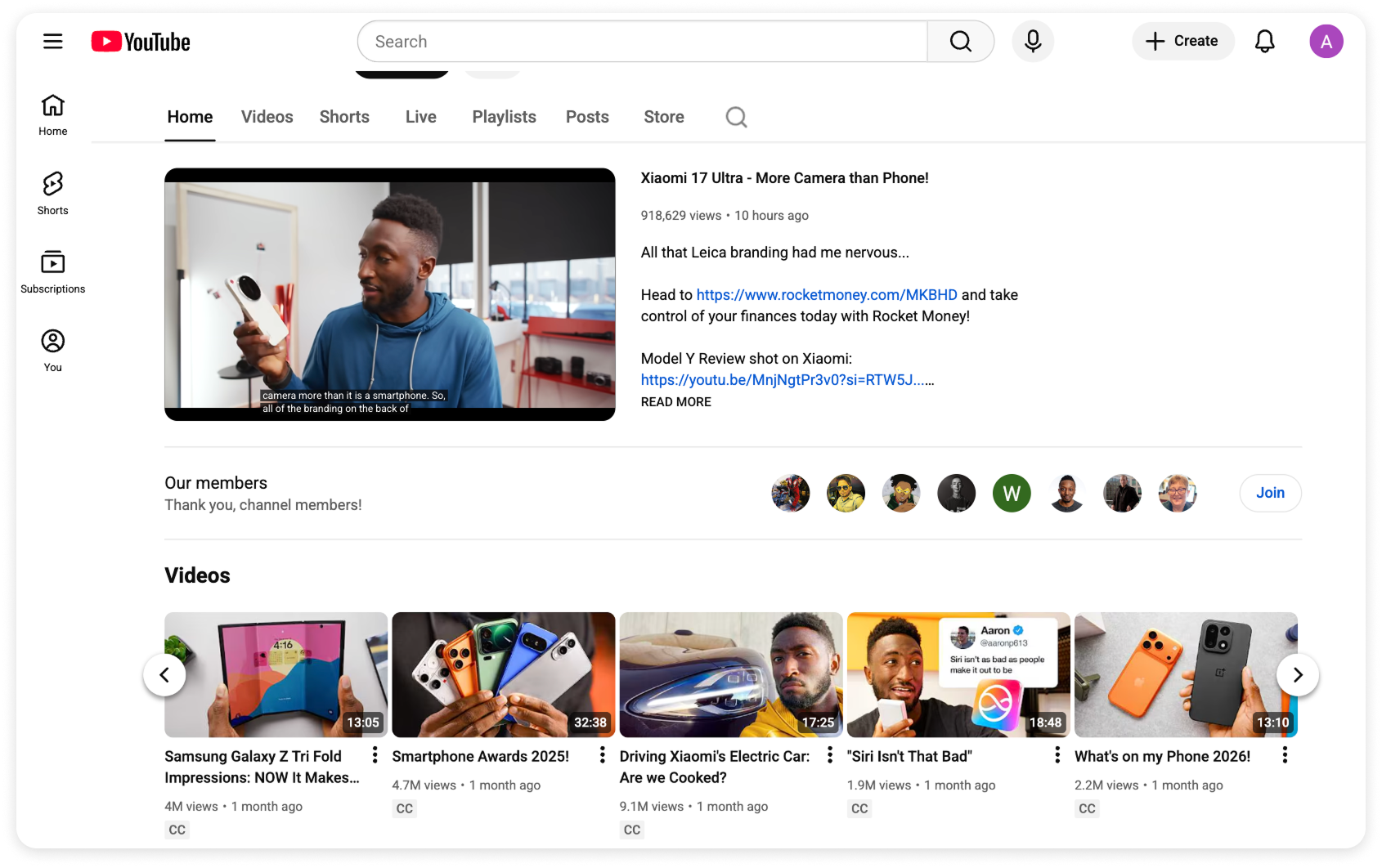
For example, if your brand operates in the tech space, it makes sense to work with creators whose niche is technology. A good example is Marques Brownlee.
His content consistently focuses on tech topics such as smartphone reviews, electric cars, and voice assistants like Siri. Because of that focus, his audience is made up of people who are actively interested in technology and often researching products before buying.
This means your product is being shown to people who are already part of your target audience, rather than a broad group of viewers who may not care at all.
Not all creators play the same role in an influencer PR strategy.
A tiered approach means grouping creators based on their level of authority, relevance, and relationship depth, then working with each group differently.
| Tier | Creator type | Audience size | Suggested primary role |
|---|---|---|---|
| Tier 1 | Trusted experts people recognize | Large | Brand credibility and positioning |
| Tier 2 | Established niche creators | Medium | Engagement and community trust |
| Tier 3 | Smaller creators building their profile | Small | Gifting, seeding, relationship building |
This approach helps you allocate time and effort more effectively. Instead of treating every creator the same, you focus your strongest resources on the voices that matter most, while still building momentum through smaller, relevant creators.
Over time, this creates steady, layered visibility.
Rather than depending on a single mention to do all the work, your brand appears across multiple trusted voices, making the coverage feel more natural, credible, and lasting.
Outreach is the process of contacting creators to introduce your brand and explore a potential collaboration.
Example of outreach message for collaboration:
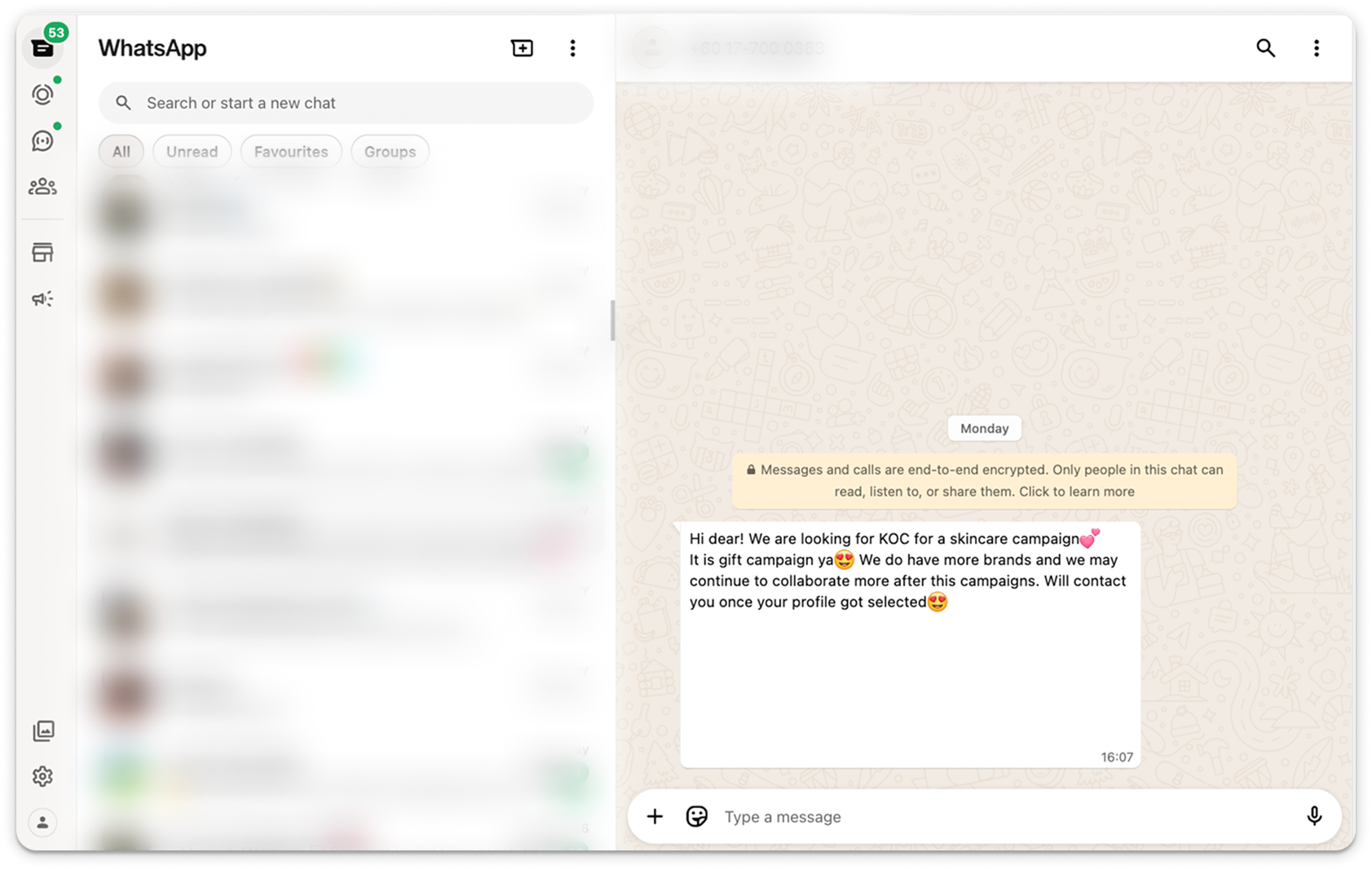
In influencer PR, outreach is not about pushing a deal or asking for a post. It is about starting a conversation.
Public relations teams use outreach because their goal is credibility, not transactions. Instead of buying attention, PR focuses on earning it. That means reaching out with something that is genuinely useful or relevant to the creator and their audience.
When outreach is done like sales, it often feels transactional. The message is usually about deliverables, deadlines, or payment. Creators can spot this immediately, and it often leads to ignored emails or forced content that audiences do not trust.
PR-style outreach takes a different approach. It starts with understanding the creator’s work, audience, and values.
The goal is to offer access, information, or products that help the creator do their job better, not to control what they say or how they say it.
When outreach feels like PR, creators are more open, responses improve, and any resulting coverage feels natural instead of forced. That credibility is what makes influencer PR work in the long term.
Influencer PR only works when success is clearly defined upfront. Without clear measurements, campaigns get judged on vague “exposure” instead of real impact.
The goal is to track the signals that match your objective, whether that is credibility, discovery, or long-term visibility. When measurement is clear, influencer PR becomes repeatable and accountable instead of experimental.
Before launching a campaign, make sure you can answer these questions:
✅ Have you defined the primary goal of this campaign? (credibility, awareness, discovery, or sales)
✅ Do you know which metrics reflect that goal?
✅ Have you decided how long you will track results after the content goes live?
✅ Are you measuring influence signals, not just views?
✅ Do you have a way to compare performance across different creators?
If you can answer these clearly, influencer PR becomes easier to manage and easier to evaluate.
All of these steps point to one central decision: who you work with matters more than how many creators you contact.
Even with clear objectives, thoughtful outreach, and solid measurement, influencer PR falls apart if the influencer is not the right fit. Influence looks different depending on industry, audience size, platform, and role in the ecosystem.
Want your brand story featured on credible media outlets?
MarketersMEDIA Newswire helps you get the kind of third-party visibility these big brands achieved—through press release distribution to established publications. Get in touch with us today.
The brand sent watches to thousands of nano and micro-influencers and encouraged them to post naturally styled photos using the branded hashtag #danielwellington.
Influencers were given creative freedom, which resulted in content that felt personal and authentic instead of scripted.
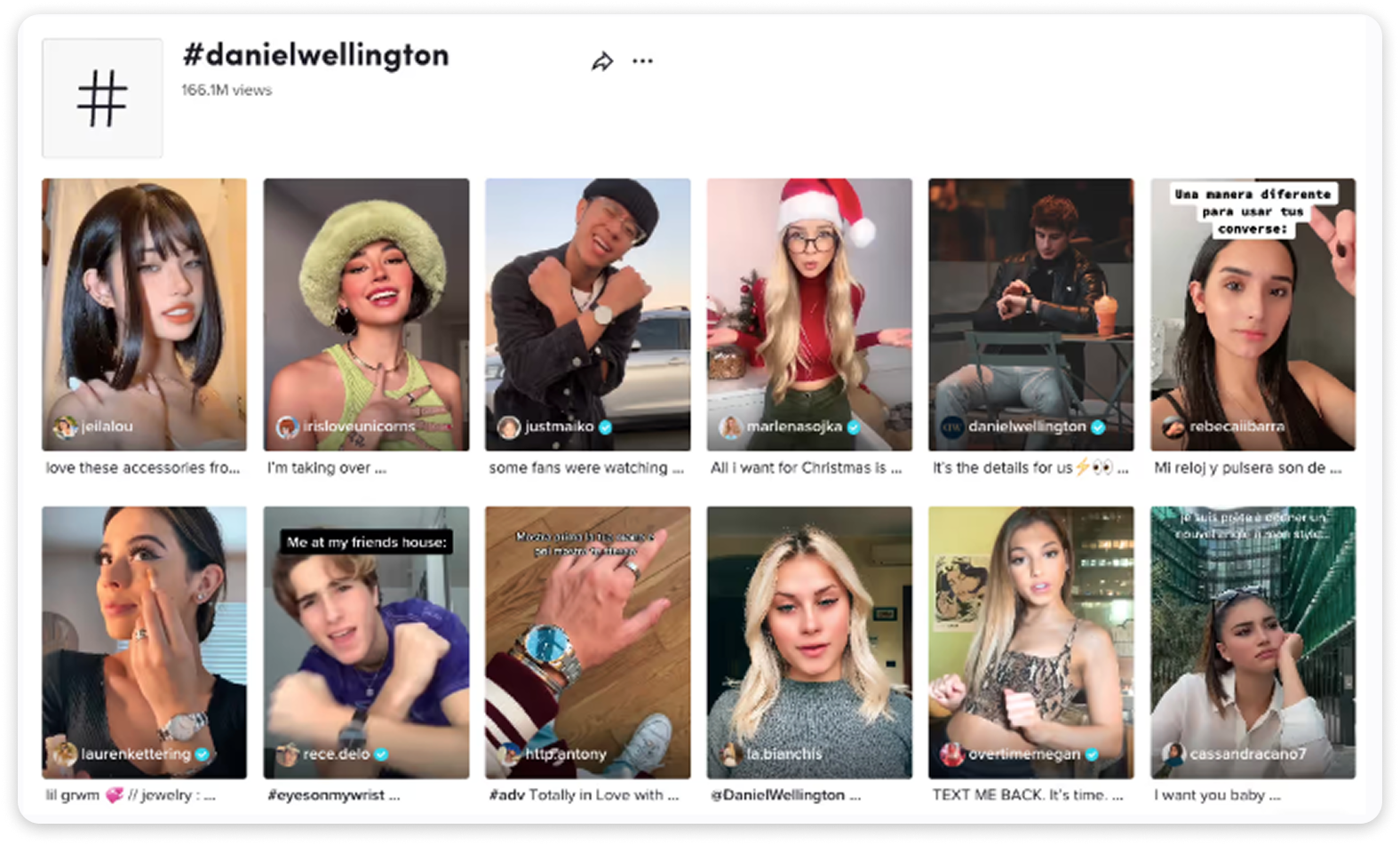
The hashtag #danielwellington has more than 166M+ views on TikTok & 2,429,989 posts on Instagram.
Each post reinforced the same visual cues, product style, and brand name, creating repeated exposure across Instagram and later TikTok. Over time, the hashtag accumulated millions of posts and views, turning influencer content into a continuous stream of social proof.
The campaign also used personalized promo codes, allowing influencers to offer value to their audience while giving the brand a way to track performance.
High-performing creators were retained, while weaker partnerships were phased out.
Rather than relying on a single viral moment, the campaign focused on volume, consistency, and relevance. This made it effective as an influencer PR campaign, because the brand appeared repeatedly across many trusted voices instead of being tied to one spokesperson.
Glossier’s campaign centered on encouraging users to share real beauty routines, product experiences, and personal looks using the branded hashtag #Glossier. Instead of polished ads, the brand amplified everyday content created by real customers, turning social feeds into a continuous stream of authentic brand mentions.
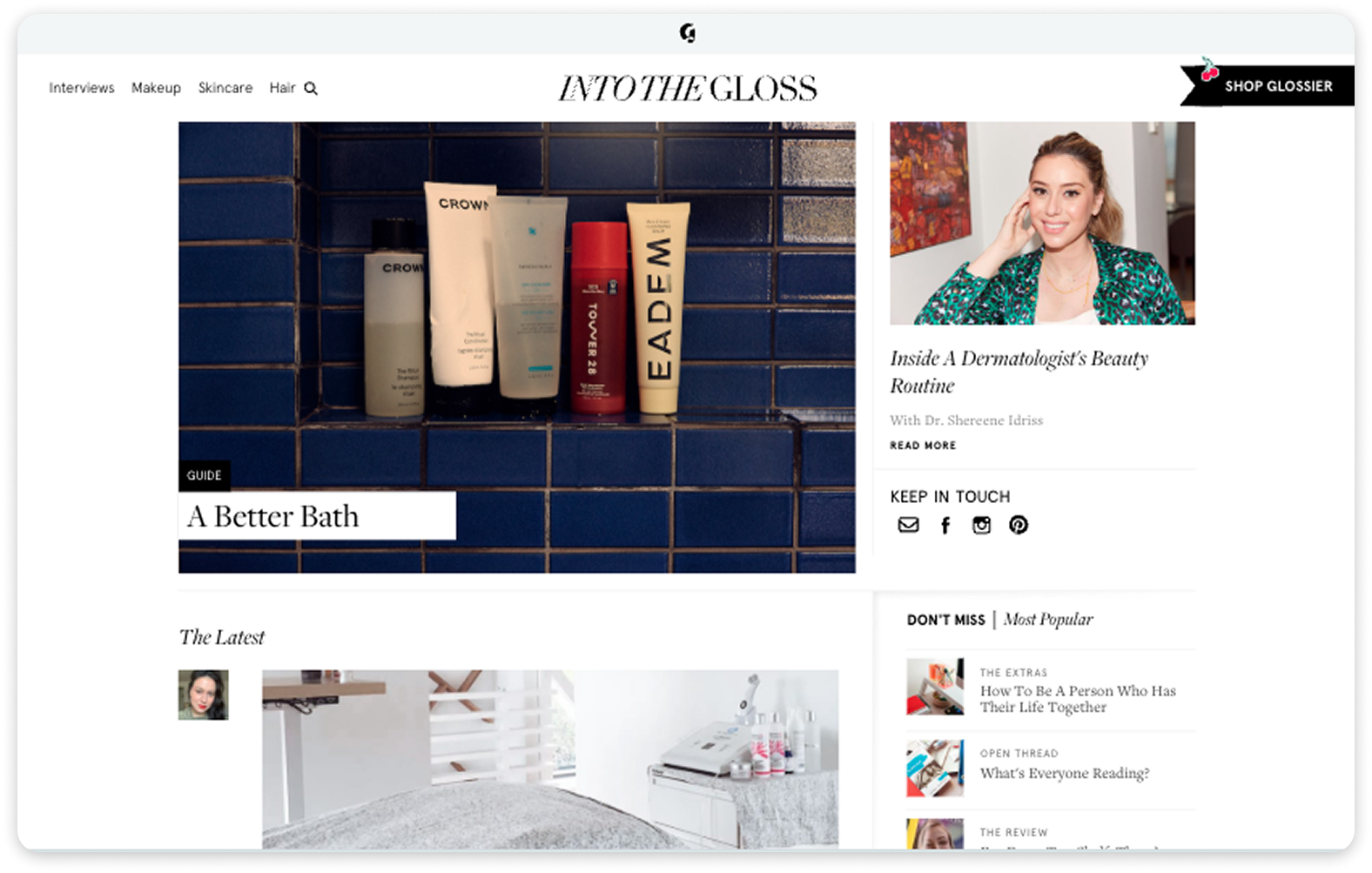
Glossier actively reposted user content across its own channels, reinforcing social proof and signaling that customer voices mattered. This recognition encouraged more participation, creating a feedback loop where users felt seen and valued.
Alongside UGC, the brand partnered with influencers who already aligned with its aesthetic and values.
These collaborations focused on showing products in real-life use rather than staged promotions, helping new audiences understand how the products fit into daily routines.
The campaign was sustained through direct engagement. Glossier responded to comments, encouraged discussion, and used customer feedback to shape messaging and product decisions. This made the launch feel collaborative rather than broadcast-driven.
Gymshark built its growth around long-term partnerships with fitness creators rather than one-off influencer posts.
The campaign started with product seeding. Gymshark sent apparel to fitness YouTubers and creators it genuinely admired, without formal contracts or heavy promotion requirements.
Influencers began wearing the products naturally in workout videos, exposing the brand to highly relevant audiences in authentic contexts.
As the brand grew, Gymshark formalized these relationships by creating the Gymshark Athlete program.
On its website, the brand actively recruits new athletes through initiatives like Gymshark66, encouraging participants to share their fitness journey publicly:
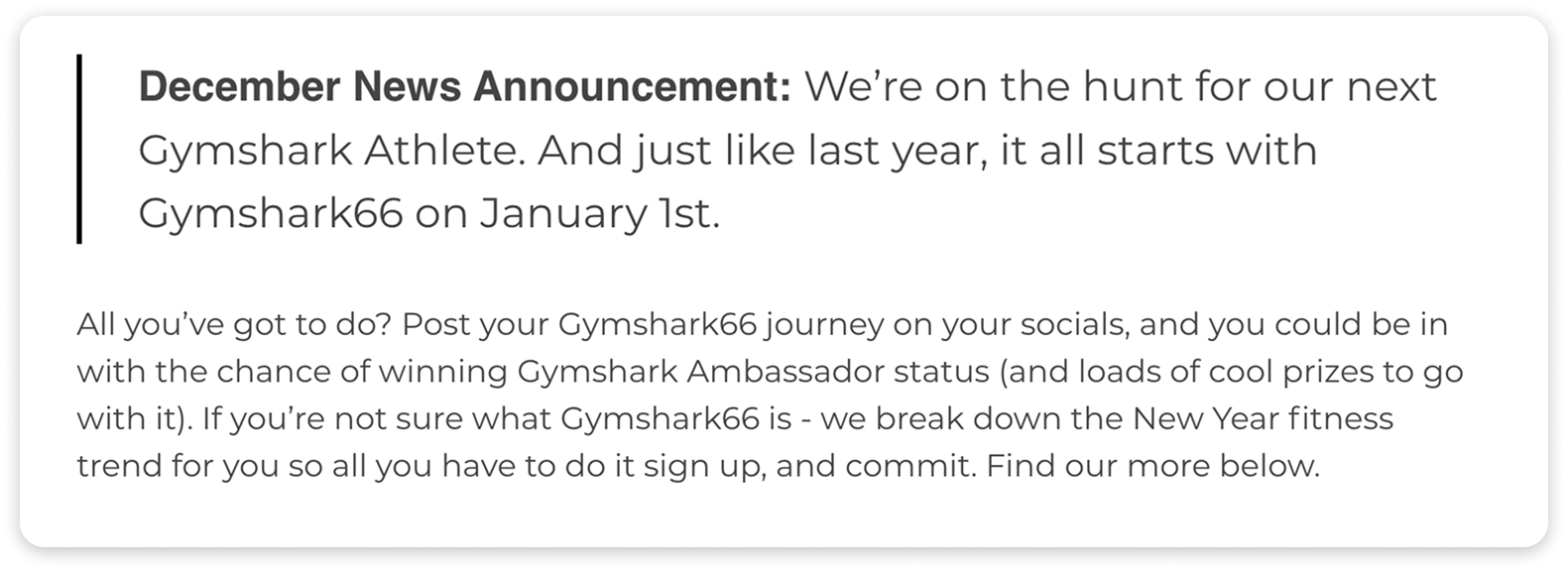
This allows Gymshark to generate visibility, engagement, and potential ambassadors without spending heavily on traditional influencer fees or ad placements.
This repeated exposure positioned the brand as part of real fitness culture rather than a sponsored add-on.
Influencer PR is not about getting posts live as quickly as possible. It is about choosing the right voices, earning credibility, and shaping how people perceive your brand over time.
When done correctly, influencer PR works because it respects the trust between creators and their audiences. It treats influencers as independent media channels, not ad space, and prioritizes long-term visibility over short-term performance spikes.
The examples from Daniel Wellington, Glossier, and Gymshark all point to the same principle. Influence compounds when brands focus on relevance, credibility, and consistency rather than chasing reach or viral moments.
Ultimately, influencer PR is not a shortcut. It is a strategy that becomes more effective when supported by a broader PR package.
While influencers help people notice and trust a brand, a PR package helps make sure that message shows up in more places, not just on social media.
The next article breaks down what a PR package includes, how influencer PR fits into it, and why brands use this structure to turn short-term attention into long-term visibility.
A: Sending free products alone does not automatically qualify as influencer PR.
Influencer PR involves intentional selection, outreach, and relationship management, with a clear objective tied to credibility, perception, or visibility rather than just hoping for a post.
A: Disclosure depends on the nature of the relationship. If there is payment, affiliate commission, or any form of material incentive, disclosure such as #ad or #sponsored is usually required.
Pure gifting without obligation may not require disclosure, but transparency is still considered best practice.
A: Yes. Influencer PR can be especially effective for smaller brands because it relies more on relevance and trust than large budgets.
Many early-stage brands start with micro or niche creators who have strong audience credibility rather than large followings.
A: Influencer PR is not designed for immediate results. Initial visibility may happen quickly, but perception shifts, trust-building, and compounding exposure typically occur over weeks or months as content continues to circulate and resurface.
A: This depends on internal expertise and scale. In-house teams may manage smaller programs effectively, while agencies are often useful when campaigns involve multiple creators, regions, or ongoing relationship management.


 PR playbook to get your brand cited in AI answer
How to check and fix what AI says about your brand
2 minutes checklist to make your PR AI-friendly
PR playbook to get your brand cited in AI answer
How to check and fix what AI says about your brand
2 minutes checklist to make your PR AI-friendly