New Media Unlocked!
You can now publish on USA TODAY through MarketersMEDIA. That's 142M+ monthly visitors and DR 92 backlinks for every release you publish.
Better reach, better SEO, better credibility.

You can now publish on USA TODAY through MarketersMEDIA. That's 142M+ monthly visitors and DR 92 backlinks for every release you publish.
Better reach, better SEO, better credibility.
Table of Content


Some businesses put serious effort into marketing. They publish blog posts, revamp their website, and invest time into creating content. But in the end, they did not achieve their marketing goals.
So where does it go wrong?
In many cases, the issue is using the wrong writing approach for the goal.
Copywriting and content writing are often treated as the same thing. While both involve writing, they’re designed to solve very different problems.
When they are used interchangeably, the result can be negative:
Depending on what you are trying to achieve, whether it is attracting attention, building trust, or driving action, you need the right kind of writing at the right moment. That is why understanding the difference matters.
Let’s break down what copywriting and content writing actually do, and how each one fits into a working marketing strategy.
Free Press Release Template
Get your free copy of press release template and advanced PR guide to run your press release.

Copywriting exists to move a reader toward a specific action. That action might be:
It isn’t something you only see in ads or sales pages. You encounter it every day, often without realizing it.
Content writing focuses on helping a reader understand before they act. The purpose of content writing might be:
Instead of pushing for an immediate response, content writing prepares the reader.
It gives them the information they need so that, when the time comes to act, the decision feels natural rather than forced.
Copywriting can be found everywhere in our daily life, especially if you are often online. For instance:
Each example shares a common goal: converting attention into action. And since that goal is specific, copywriting is measurable.
You can see whether it works by looking at conversion rates, revenue, and ROI. If one headline generates $24,000 in sales and another does not, the better one is obvious, regardless of how clever either sounds.
Content writing, similarly, is everywhere, and it takes many forms:
Each format prioritizes delivering information that helps the reader, with commercial intent kept secondary or entirely absent.
Good copy consistently answers two questions in the reader mind:
“Why this?” and “Why now?”
There are other factors that also play a role in making copywriting effective. For instance:
A home services company, Broomberg, is a good example of how these principles work together in practice.
They already had strong blog traffic, but conversions were weak. After studying user behavior, they realized readers were engaged with the content but often missed the contact forms.
By introducing a simple pop-up triggered after readers spent time on the page, and framing it as a low-friction next step, they increased blog-generated leads by 72% in two months.

These pop-ups went on to drive 27% of painting leads and 23% of flooring restoration leads. It worked because both the copy and its timing matched how people actually make decisions.
While good content writing answers a different question in the reader’s mind: “Do I understand this well enough to move forward?”
Its role is to remove uncertainty that readers have about a specific topic. It could be about how your service or product works and whether it applies to their situation.
Several factors contribute to effective content writing, including:
A B2B software company offering workflow automation tools is a good example of how these principles work in practice.
They were generating steady blog traffic, but sales conversations often stalled. Many readers were interested, but demo requests were delayed because people weren’t sure whether the product fit their specific workflow.
So the team took a closer look.
They realized people were spending time with the content, but leaving with unanswered questions. The articles talked about automation in general terms, but didn’t help readers connect the ideas to their own situation.
Then they changed how they approached content.
Instead of publishing broad thought leadership, they focused on education. The topics they talk about includes:
The content didn’t ask readers to take action, but it reduced enough uncertainty that the next step felt natural.
It works to achieve their marketing goals, because readers reached the decision on their own, with fewer unanswered questions.

Most people do not stop to analyze every option in detail. They make quick judgments based on emotion, comfort, or perceived risk, then use logic afterward to justify that choice.
A good copy is designed around that reality.
This is why copywriting often uses elements like urgency, scarcity, or emotion. These cues reduce hesitation and help people move forward instead of delaying a decision. But none of them work if the message itself is unclear.
A clear example comes from Apple:
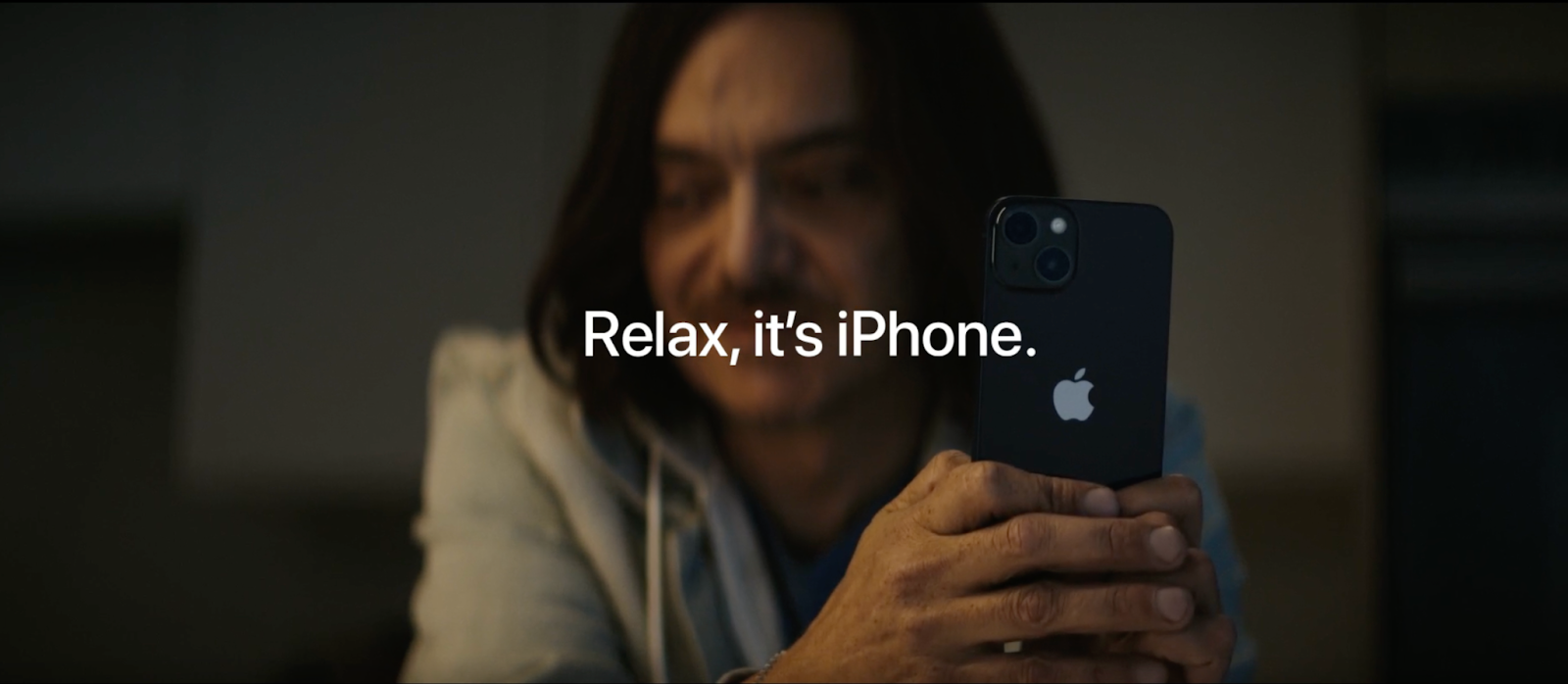
The emotion lands first. The feature becomes memorable because it connects to a real feeling: regret.
Problems start when businesses focus too much on sounding clever.
Headlines try to be creative or abstract, but forget to explain the actual value. Words like “reimagined” or “next-level” may sound interesting, yet force the reader to stop and guess what is being offered.

That pause is friction. And friction kills conversions.
Strong copy does the opposite. It removes effort from the reader. It clearly explains what this is, who it is for, and what happens next. The reader does not have to interpret or decode anything.
In practice, a simple headline that clearly states the benefit will almost always outperform a witty one that sounds smart but leaves questions unanswered.
Content writing works by lowering perceived risk before it ever asks for action. Each article, guide, or explainer answers small questions and quietly removes one objection as it goes.
Over time, this creates three psychological effects:
1. Familiarity builds trust
Repeated exposure to helpful content makes a brand feel known. Known feels safer than unknown.
For instance: “I keep seeing people talk about the iPhone 17. I’ve read a few breakdowns, watched some reviews, and honestly… it might actually be good.”
This is the mere exposure effect, where people develop preference simply through repeated, positive encounters.
2. Authority reduces cognitive load
When a brand consistently explains topics clearly, readers stop evaluating every detail. They outsource thinking.
The brand becomes the reference point, which shortens future decision-making.
3. Reciprocity encourages future action
When readers gain value without being sold to, they feel less resistance later. The relationship starts with help.
It feels like: “They’ve helped me so many times. I don’t mind checking out what they offer.”
At that point, future calls to action feel natural. They feel earned rather than intrusive.
Content writing is about readiness, not urgency.
It earns attention before it asks for action, and builds confidence before any decision is required. This is what makes it fundamentally different from copywriting, which steps in later to guide that readiness toward a specific outcome.
A common mistake is expecting content to convert like copy, or copy to rank like content.
For example,
When intent is unclear, performance suffers.
Strong marketing starts with knowing whether you need persuasion or education at that moment.
The answer is YES!
The most effective marketing strategies don’t choose between copywriting and content writing, but they sequence both disciplines correctly.
Most buying decisions follow a progression. People don’t move from discovery to action in one step. They move through stages, often referred to as the marketing funnel.
At the top, people are becoming aware of a problem. In the middle, they compare options and try to understand what fits. Only later do they reach a point where they’re ready to decide or commit.
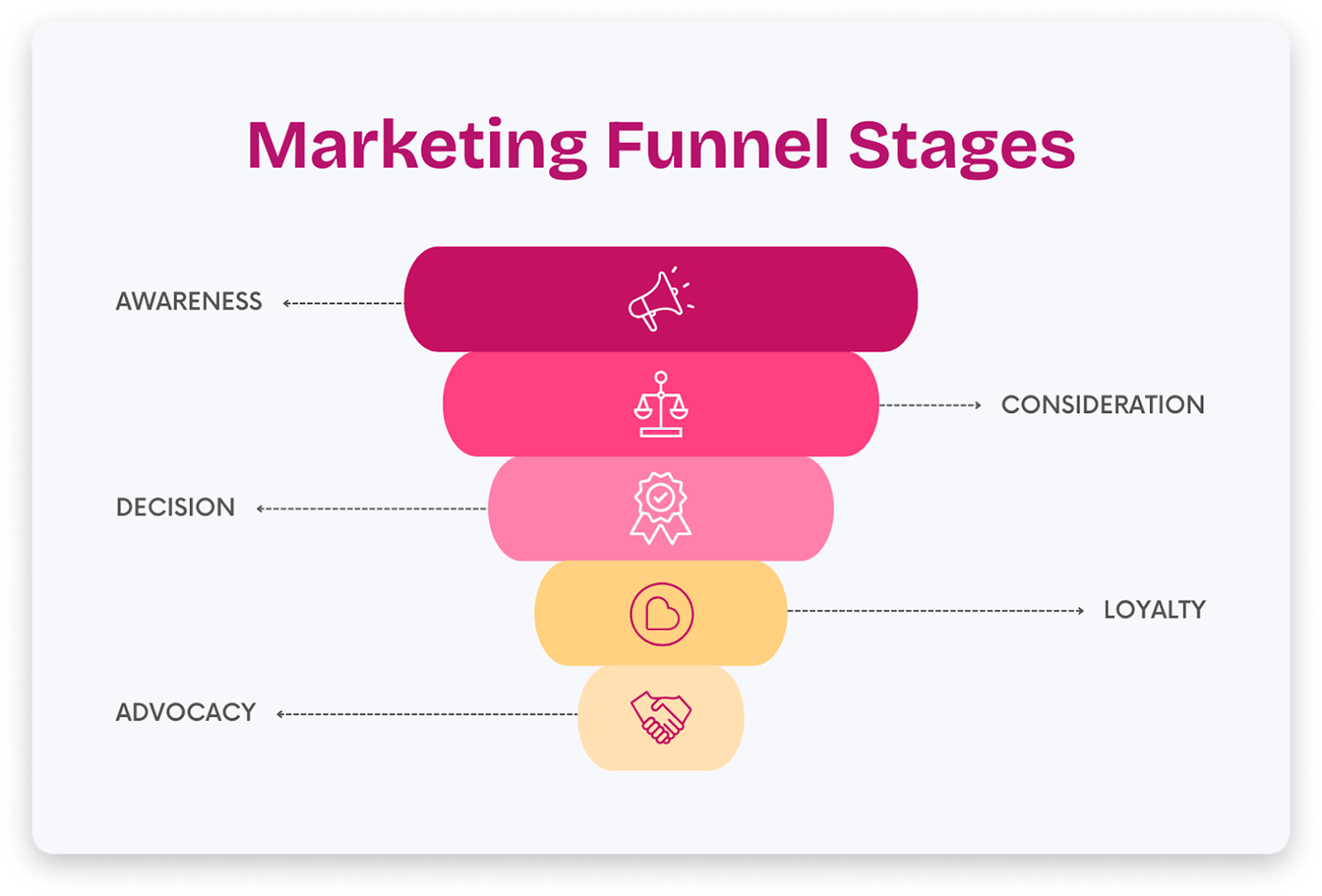
This is why content writing and copywriting exist at different points in the funnel. Each plays a role depending on what the reader is trying to do at that moment.
Content writing introduces your brand. It answers questions and builds familiarity before any decision is made.
When someone searches for “how to choose accounting software,” they are not shopping yet. They are learning options and avoiding wrong choices.
Content writing does this job. It educates, compares, explains, and builds confidence. Over time, repeated exposure to helpful content makes your brand feel safe and credible.
Copywriting comes later.
Once someone understands the problem, recognizes the options, and trusts your authority, the question changes from “What should I know?” to “What should I do?”
That is where copywriting steps in.
Copywriting turns understanding into action. It gives direction, removes hesitation, and helps the reader make a decision they already feel prepared for.
That is why content writing and copywriting are not interchangeable. They serve different moments in the same journey.
Content builds readiness. Copy closes the gap between readiness and action.
In practice, this often looks like:
Each content piece does the work of education, while each piece of copy does the work of conversion.
The answer depends on your current situation and goals.
You need content writing.
Without organic traffic and search visibility, you’re dependent on paid advertising to bring people to your site.
Content builds a sustainable traffic source that compounds over time.
You need copywriting.
If you already have traffic but low conversion rates, the problem isn’t awareness—it’s persuasion.
Strong copy removes friction, addresses objections, and guides people toward action.
You need both, sequenced correctly.
Start with content to build awareness. Use copy to convert that awareness into revenue. Then reinvest in more content to expand your reach.
Before deciding where to invest, ask:
The answers usually make the decision clear.
A: Yes, but only when the intent is deliberately staged. A strong article often starts as content writing. It explains, educates, and removes confusion. Once the reader understands the topic and feels confident, copywriting can step in to guide the next action.
Problems arise when the intent is mixed too early. If a piece tries to persuade before it has earned trust, readers feel pushed. If it only educates without direction, readers leave informed but inactive.
The key is sequencing, not choosing one over the other.
A: Most small businesses need content writing first.
If people are not actively searching for your brand, persuasive copy has nothing to work with. Content helps you show up during research, comparison, and learning stages, where trust is formed.
Once traffic exists and people understand the problem, copywriting becomes the lever that turns interest into action. Hiring a copywriter too early often leads to strong pages with no visitors.
A: Press release writing sits much closer to content writing. Its purpose is clarity, credibility, and distribution, not persuasion. A press release explains what happened, why it matters, and who is involved, in a neutral tone.
That neutrality is exactly why press releases work for visibility and AI discovery. They are treated as factual references, not sales messages.
A: Because long decisions require reassurance. When purchases involve risk, cost, or complexity, people research over time. Content writing allows your brand to show up repeatedly during that process, reinforcing familiarity.
Each interaction reduces uncertainty. By the time the buyer is ready, the brand already feels known and credible.
A: Because they lower resistance before asking for anything.
Blogs allow readers to explore without pressure. They answer questions in the reader’s own time. By the time a call to action appears, the decision feels natural.
Sales pages, by contrast, start with intent. If the reader is not ready, the message feels intrusive. That is why a well-placed CTA inside helpful content often outperforms a standalone sales page.


 PR playbook to get your brand cited in AI answer
How to check and fix what AI says about your brand
2 minutes checklist to make your PR AI-friendly
PR playbook to get your brand cited in AI answer
How to check and fix what AI says about your brand
2 minutes checklist to make your PR AI-friendly