New Media Unlocked!
You can now publish on USA TODAY through MarketersMEDIA. That's 142M+ monthly visitors and DR 92 backlinks for every release you publish.
Better reach, better SEO, better credibility.

You can now publish on USA TODAY through MarketersMEDIA. That's 142M+ monthly visitors and DR 92 backlinks for every release you publish.
Better reach, better SEO, better credibility.
Table of Content


There must be a viral marketing campaign that has stuck in your head until today.
Maybe it was the Red Bull’s space jump. Maybe it was a funny ad you still quote with friends. Or the brand moment that seemed to be everywhere, all at once.
At some point, you probably caught yourself thinking: “How did they do that?”
Was it luck? A massive budget? Some secret formula that only big brands know?
And more importantly, how do campaigns like these even get created in the first place? How does an idea go from a simple concept in a meeting room to something millions of people watch, share, and talk about?
That is what makes viral marketing so fascinating. Some campaigns feel almost accidental. Others look perfectly planned. But the truth usually sits somewhere in between.
A viral marketing campaign is when people share your brand’s content so enthusiastically that it spreads “like wildfire” across the internet, often reaching millions of people without you having to pay for every single view.
This is very different from traditional marketing. Traditional marketing is more like buying a billboard.
You pay for the space, you control the message, and you have a rough idea of who will see it. But once the budget runs out or the campaign ends, the exposure usually stops with it.
With viral marketing, the audience does part of the distribution for you. The reach does not come only from what you pay for, but from people choosing to share your content because they find it entertaining, surprising, or worth talking about.
The answer is, no. You cannot guarantee virality.
Anyone who promises a “guaranteed viral campaign” is selling you something that does not exist. Even the biggest brands, with the best creative teams and the biggest budgets, cannot predict with 100% certainty what will take off and what will not.
What you can do is improve your chances:
What you cannot control is what happens after your content is out in the world.
You cannot decide whether people will actually share it, how social media algorithms will treat it on any given day, or whether a celebrity or influencer will suddenly pick it up and push it into the spotlight.
Those factors sit outside your control, no matter how good your idea or execution is.
Viral content almost always triggers a strong emotional response. Not a mild “that’s nice,” but a feeling closer to “I need to show this to someone right now.”
Some emotions are especially powerful when it comes to sharing:
If your idea takes more than a few seconds to understand, it loses momentum. People share things they can grasp instantly and explain just as quickly to someone else.
A clear, simple message lowers the friction to sharing. There is no extra thinking, no decoding, no long explanation required.
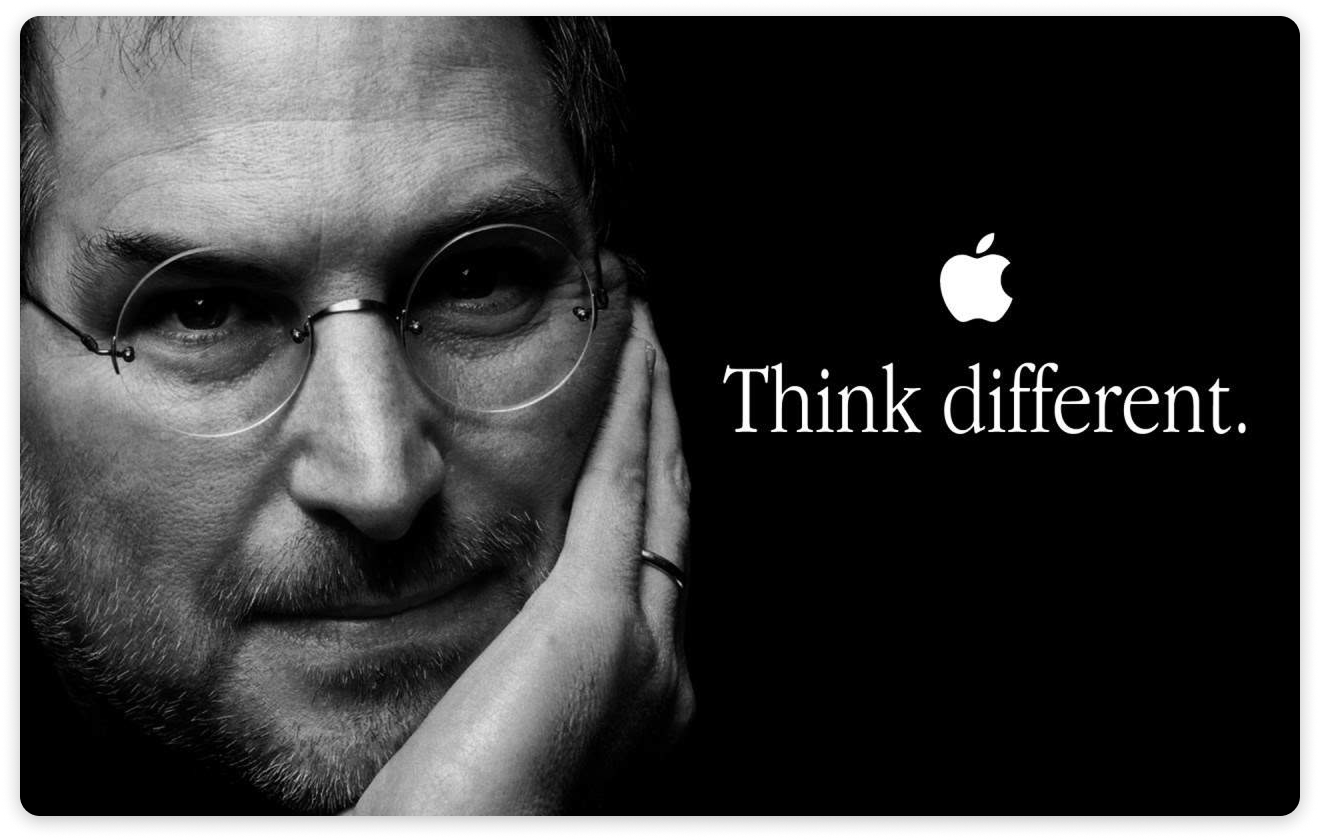
Apple’s ‘Think Different’ is a perfect example of how a simple message can define an entire brand:
Complex concepts, layered positioning, or nuanced explanations might be important for sales decks or websites, but they are not built for fast, organic sharing. The more effort it takes to understand your message, the less likely people are to pass it along.
If you want something to spread, it has to be obvious, memorable, and easy to repeat in one breath.
Even strong ideas struggle if they show up at the wrong moment. Timing determines whether your message gets ignored or rides existing attention.
When your content connects to what people are already talking about, it feels relevant instead of forced.
To make this work, you need:
Miss the timing, and even good content loses most of its impact.
You need to think about where the content should live, who should see it first, and how to give it an early push.
Different platforms reward different styles. What works on TikTok will not look the same on LinkedIn or YouTube.
Many campaigns also use early seeding by getting creators, influencers, or relevant accounts to share the content first, which helps build initial momentum.
These factors explain why some campaigns take off. But theory only goes so far.
To see how this works in practice, let’s look at some real-world examples of marketing campaigns that actually went viral.
Nike launched “Just Do It” in 1987, and 40 years later it is still one of the most recognizable slogans in the world.
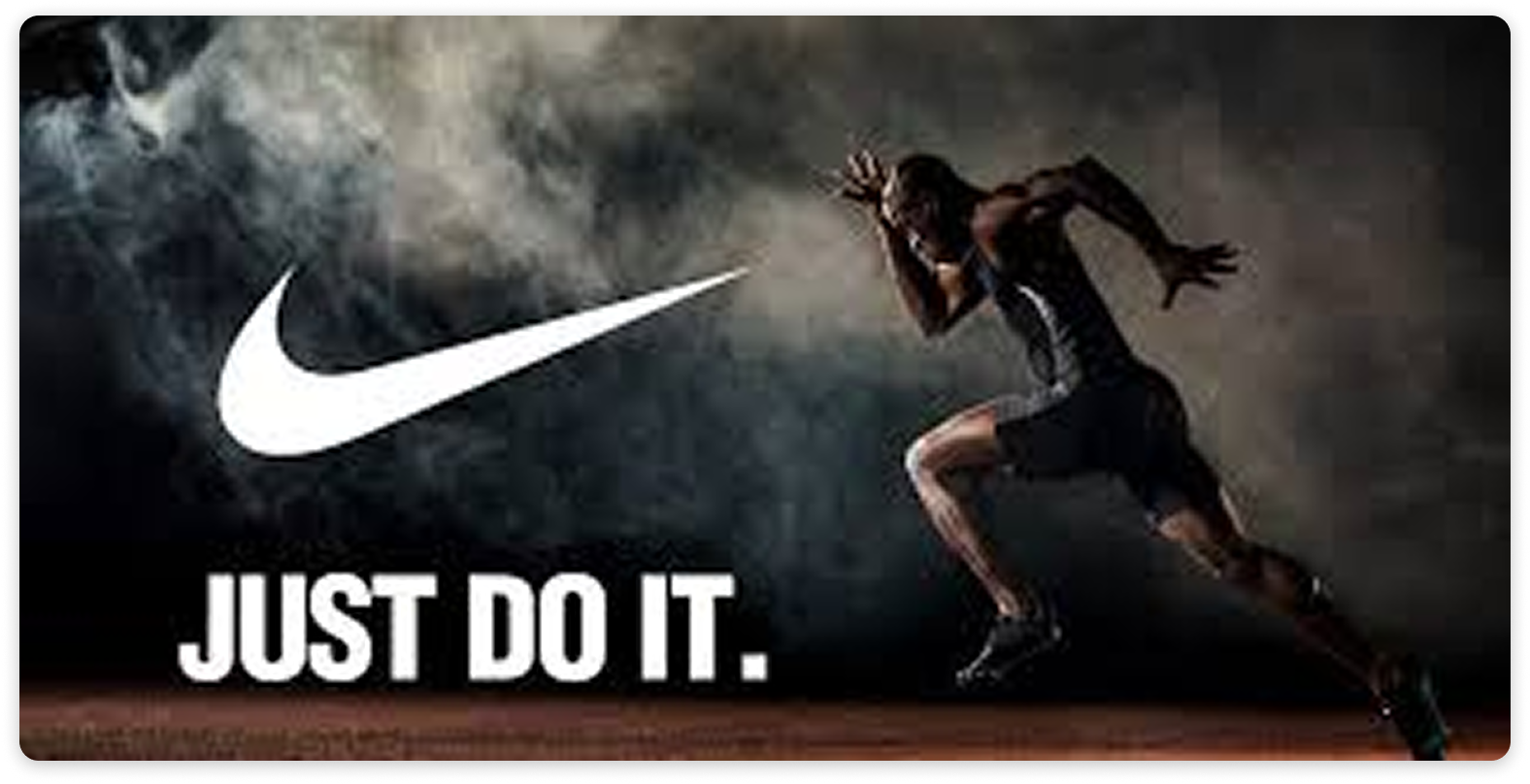
That kind of staying power is rare, and it did not come from clever wordplay or complicated messaging.
“Just Do It” does not tell you what to buy or even what action to take. It lets people project their own goals onto it.
For some, it means training for a marathon. For others, it means finally starting something they have been putting off. The slogan feels personal because it leaves room for personal meaning.
Over time, the line became bigger than any single campaign. It turned into a mindset that people associated with the brand.
Manscaped sells grooming products in a category many brands are shy about.
Instead of avoiding the awkwardness, they leaned straight into it. Their snooker-themed commercial was full of cheeky innuendo and playful jokes about “trimming the hedges.”
The ad worked because it took a topic people usually avoid and turned it into something entertaining. Viewers did not feel like they were being sold to. They felt like they were in on the joke. That made the content easy to share with friends.
Humor lowers resistance.
It makes people want to pass the feeling along. If your industry feels boring or uncomfortable, making people laugh can be the fastest way to break through the noise.
Snickers built an entire campaign around a simple idea; when people are hungry, they act out of character.
Eat a Snickers, and you go back to being yourself. The brand repeated this concept with different celebrities and scenarios over many years.
What made it powerful was not just one funny ad. It was the consistency. The joke was easy to understand, easy to adapt, and easy to remember.
The result is obvious when you look at the comment on these ads on YouTube:
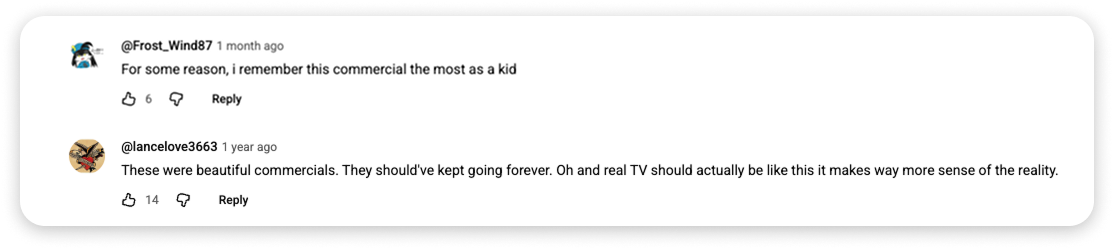
Over time, the tagline became part of everyday language.
This shows the difference between a one-off viral hit and a repeatable format. A single successful ad is great. A concept you can reuse again and again becomes a long-term asset.
Pepsi’s Halloween ad showed a Pepsi can dressed as Coca-Cola, with the line “We wish you a scary Halloween.”
It was simple, timely, and just provocative enough to spark conversation.
The reason it spread was not only because it was funny, but because people already knew the rivalry. The ad tapped into a story everyone understood and added a playful twist at the perfect moment of the year.
Brand rivalries, when handled lightly, humanize big companies. People enjoy watching brands tease each other. The key is to keep it clever rather than mean-spirited.
L’Oréal’s “Because You’re Worth It” did something most beauty ads at the time did not. It shifted the focus away from the product and toward how people feel about themselves.
The line became a message about confidence and self-worth, especially for women.
That emotional shift is why it lasted for decades. People did not just remember the brand. They remembered how the message made them feel. It felt supportive rather than sales-driven.
When a campaign connects to someone’s identity or self-image, it becomes far more shareable than a list of product features.
During the 2013 Super Bowl, the stadium lights went out. Within minutes, Oreo tweeted a simple image with the line “You can still dunk in the dark.”
The moment passed quickly, but that tweet became more famous than many expensive TV ads.
What made it work was not a big budget. It was speed, relevance, and a clear understanding of the moment.
Oreo did not force a message. They responded naturally to what everyone was already talking about.
This is the power of timing. If your team can move quickly and with confidence, a small idea can outperform a massive campaign.
McDonald’s introduced “I’m Lovin’ It” in 2003, and it is still their global tagline today.
The campaign did not explode because of one viral moment. It grew because McDonald’s kept using it, everywhere, for years.
The jingle and phrase became familiar through repetition. Over time, it turned into something people recognized instantly, even without seeing the logo.
Not all virality is fast.
Some of it is built through steady, consistent exposure. If you keep showing up with the same clear message, it eventually becomes part of culture.
Just Eat turned its brand name into a song performed by major artists. The tune was simple, repetitive, and almost impossible to forget once you heard it.
Music works differently from visuals.
A catchy melody stays in your head long after the ad ends. Every time people caught themselves humming it, they were also thinking about the brand.
This shows the power of audio branding. A strong sound, phrase, or jingle can create memory in ways images alone often cannot.
Cadbury ran a 90-second ad showing a gorilla playing drums to Phil Collins’ “In the Air Tonight.”
There was no product explanation. No obvious sales message. Just a dramatic, slightly absurd performance.
People shared it because it was so unexpected. It made them stop and think, “What did I just watch?” That surprise was the entire point.
Sometimes the safest ideas are also the easiest to ignore. When you break the pattern people expect, you give them a reason to pay attention.
Domino’s focused on a simple product benefit: stretchy, cheesy pizza. Instead of explaining it, they exaggerated it in a playful, visual way.
The result was content that made a functional feature feel fun.
People were not sharing it because they cared deeply about cheese physics. They were sharing it because it looked ridiculous and satisfying.
Even ordinary product features can become shareable if you present them in an entertaining way.
M&M’s ran a commercial with a provocative, unexpected setup involving their characters in a bedroom scene.
It was bold, slightly shocking, and clearly designed to make people do a double take.
The ad spread because it surprised people without crossing into truly offensive territory. Viewers rewound it, talked about it, and shared it because it broke expectations.
Shock can cut through noise, but it only works if you understand your audience’s limits. Push too far and you lose trust. Push just enough and you get attention.
Viral marketing isn’t magic. It’s not entirely luck, either.
The campaigns that break through share common patterns: strong emotions, simple messages, perfect timing, smart distribution, and usually—a willingness to take creative risks.
Your brand doesn’t need a Super Bowl budget to create something shareable. Instead, you need:
And remember: not every campaign will go viral. That’s okay. Even Nike, Red Bull, and Coca-Cola have campaigns that flopped.
The real goal is not to chase one big hit, but to keep creating work that is built to be shared.
When strong creative meets smart amplification, whether through influencers, press coverage, or paid distribution, you are no longer just hoping something takes off. You are building the conditions that make it more likely.
Bonus tip: A lot of campaigns that travel far don’t get there by accident. Behind the scenes, media hooks and PR stunts often play a bigger role than people realize.
A: There is no fixed budget requirement. Some viral campaigns succeed with minimal spend, while others require production, creators, or paid seeding. The budget mainly affects how fast you can test ideas, improve production quality, and amplify early traction, not whether something can go viral at all.
A: There is no standard timeline. Some campaigns take off within hours, others build momentum over days or weeks. In some cases, content resurfaces months later and goes viral unexpectedly due to a new trend or event.
A: Most successful campaigns use a mix. Paid promotion is often used to seed the content, test audiences, and create initial momentum. Organic sharing is what scales it, but paid distribution helps reduce the risk of the content never getting seen.
A: It depends on your audience and format. TikTok, YouTube, Instagram, X, and LinkedIn all behave differently. Short-form video works best on some platforms, while commentary or visual storytelling performs better on others. The platform should match the content, not the other way around.
A: Early signs include unusually high share rates, strong watch time or engagement, and rapid growth outside your own audience. When people you did not target begin resharing and commenting, that is usually the first real signal.


 PR playbook to get your brand cited in AI answer
How to check and fix what AI says about your brand
2 minutes checklist to make your PR AI-friendly
PR playbook to get your brand cited in AI answer
How to check and fix what AI says about your brand
2 minutes checklist to make your PR AI-friendly