New Media Unlocked!
You can now publish on USA TODAY through MarketersMEDIA. That's 142M+ monthly visitors and DR 92 backlinks for every release you publish.
Better reach, better SEO, better credibility.

You can now publish on USA TODAY through MarketersMEDIA. That's 142M+ monthly visitors and DR 92 backlinks for every release you publish.
Better reach, better SEO, better credibility.
Table of Content


When you are brainstorming marketing ideas, the obvious question is always the same.
How do we stand out and get people to remember us?
So you start thinking about:
Maybe a discount. Maybe a big launch. Maybe an eye-catching banner ad.
But one of the most common problems in executing marketing strategies is not getting attention from your target audience. It is earning their recognition.
Recognition for a brand is when people start to remember your brand without being prompted.
It’s when your name feels familiar. When they think, “I’ve seen this brand before,” or “I’ve heard about them somewhere.”
For instance, look at Nike and Apple. When they run marketing campaigns, they do not just aim for clicks or impressions.
They create moments that people want to talk about, share, and search for even after the campaign is over. That is how their marketing continues working long after the ads stop running.
That is why studying how big brands market matters, even if you do not have a big brand budget.
They are not successful because they spend more. They are successful because they understand how people notice, remember, and trust a brand.
The examples below break down marketing campaigns from big brands that are still being talked about today, and why they worked. Not to copy them, but to understand the patterns behind them.
Once you see those patterns, it becomes much easier to apply the same thinking to your own marketing.
Free Press Release Template
Get your free copy of press release template and advanced PR guide to run your press release.

Every year, Spotify will run its big consumer campaign called “Wrapped” by giving users personalized insights into their listening habits.
And, of course users will share these insights across social media. The content spreads organically. News sites write about the campaign’s impact. Blogs analyze the data trends.
According to a report, “Wrapped”, which launched on Dec. 3, reached 250 million engaged users within 65 hours, compared with more than a week for the same level of engagement in 2024. During that period, users shared Wrapped content 575 million times, and sharing on Instagram nearly doubled from the previous year.
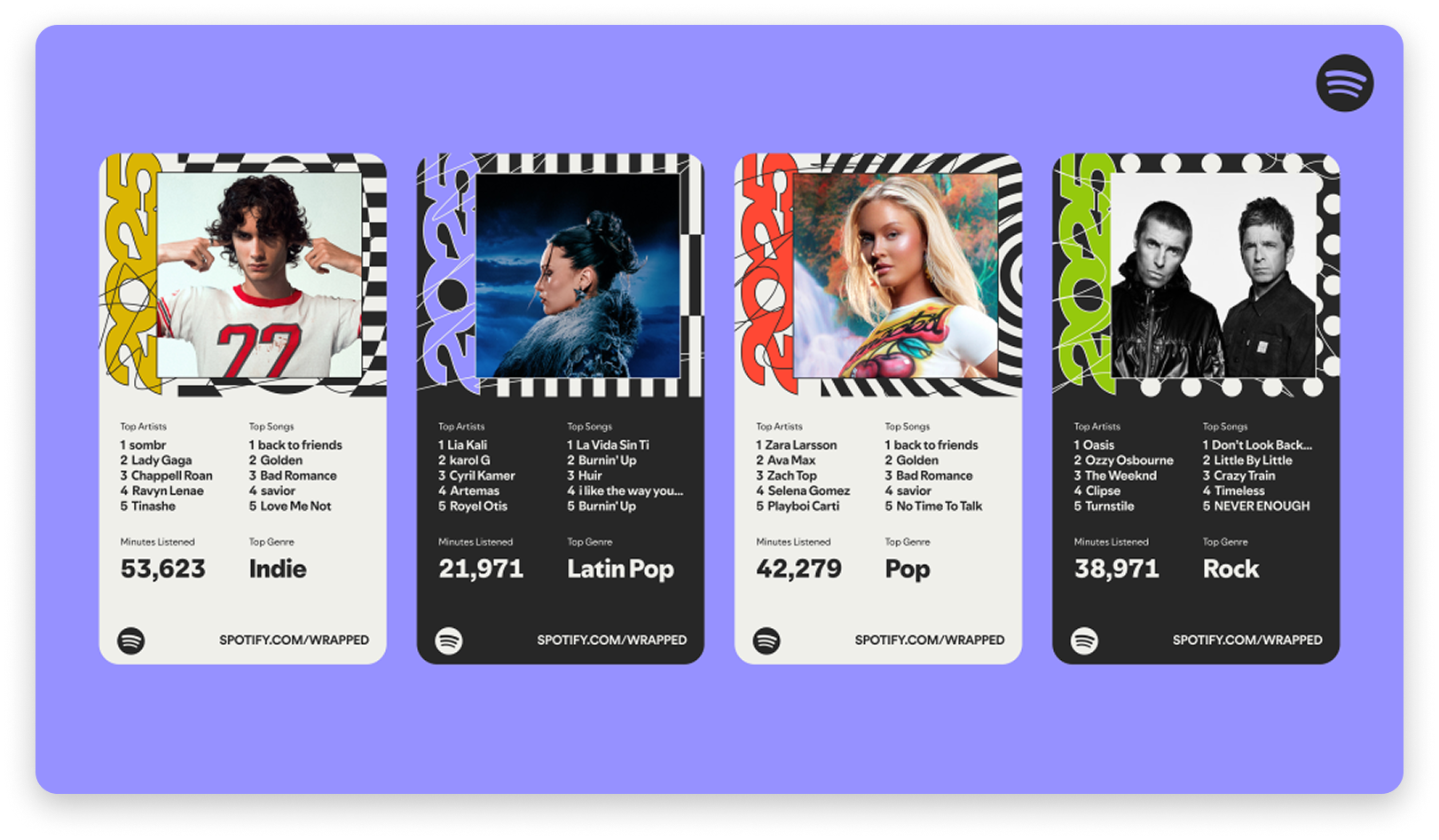
This campaign creates a ripple effect:
Spotify then became part of public conversation everywhere people look. The brand showed up on social feeds, in news articles, in blogs, and in search results, all at the same time.
That creates recognition and trust among people who have not tried Spotify yet. Once the brand feels familiar and established, new users are more likely to consider it.
Winning Isn’t Comfortable” campaign followed the same pattern as Spotify’s Wrapped, but in a different way. Instead of focusing on the end result, Nike highlighted the struggle behind success.
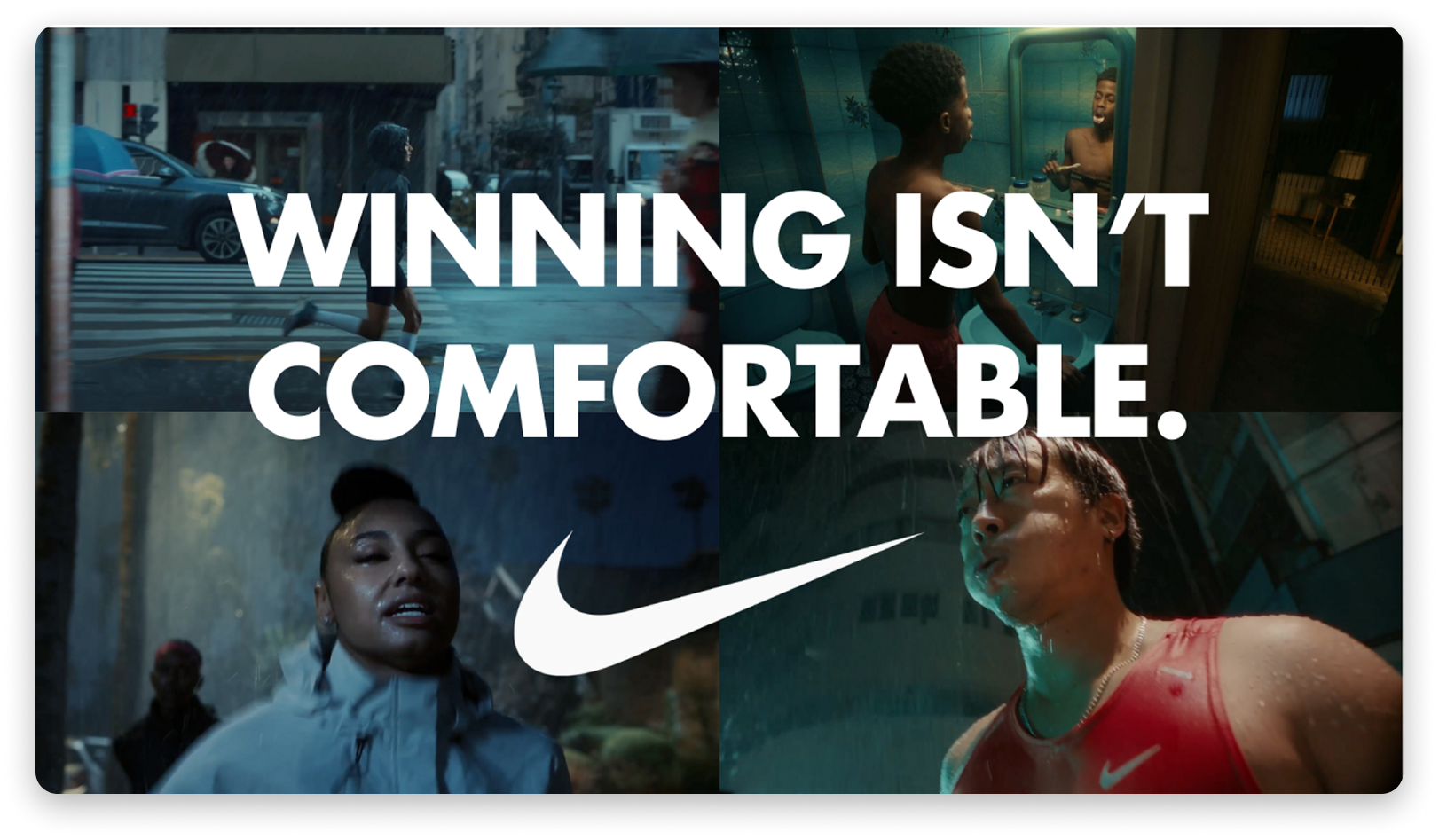
Running can suck. That is what Nike’s brand storytelling is doing in this campaign.
They showed early mornings, exhaustion, rain, and moments when quitting felt easier than continuing. The message was simple and relatable, which is why people:
The result was high engagement. Across three videos, Nike generated more than 300,000 likes and over 3,000 comments, with many viewers saying the campaign made them feel seen and understood.
What made the campaign even more effective was how broad the audience was.
Nike did not limit this to elite runners. The message worked for anyone who has ever run, trained, or struggled through physical effort, which allowed the brand to reach people across different sports, ages, and lifestyles.
By running the campaign on Instagram, where the 18 to 44 age group is most active, Nike also aligned the message with the platform where that audience already spends time.
The campaign did not just live inside Instagram. It became something people talked about, shared, and searched for.
Sports and marketing publications discussed it. Fans reacted to it. The phrase itself became a reference point.
Nike did not rely on a single ad or a one-off promotion. It created a message that people carried forward on its behalf.
That is what turns marketing into lasting visibility instead of temporary attention.
Coca-Cola’s “Share a Coke” campaign replaced its logo with common first names, turning an everyday product into something personal.
Instead of just buying a drink, people started looking for bottles with their:
That small change gave people a reason to engage.
The campaign began in Australia in 2011 and was later rolled out globally, with Coca-Cola localizing names and phrases for each market.
This made the experience feel relevant no matter where people were.
People took photos of the bottles, posted them on social media, and tagged the people whose names were on them.
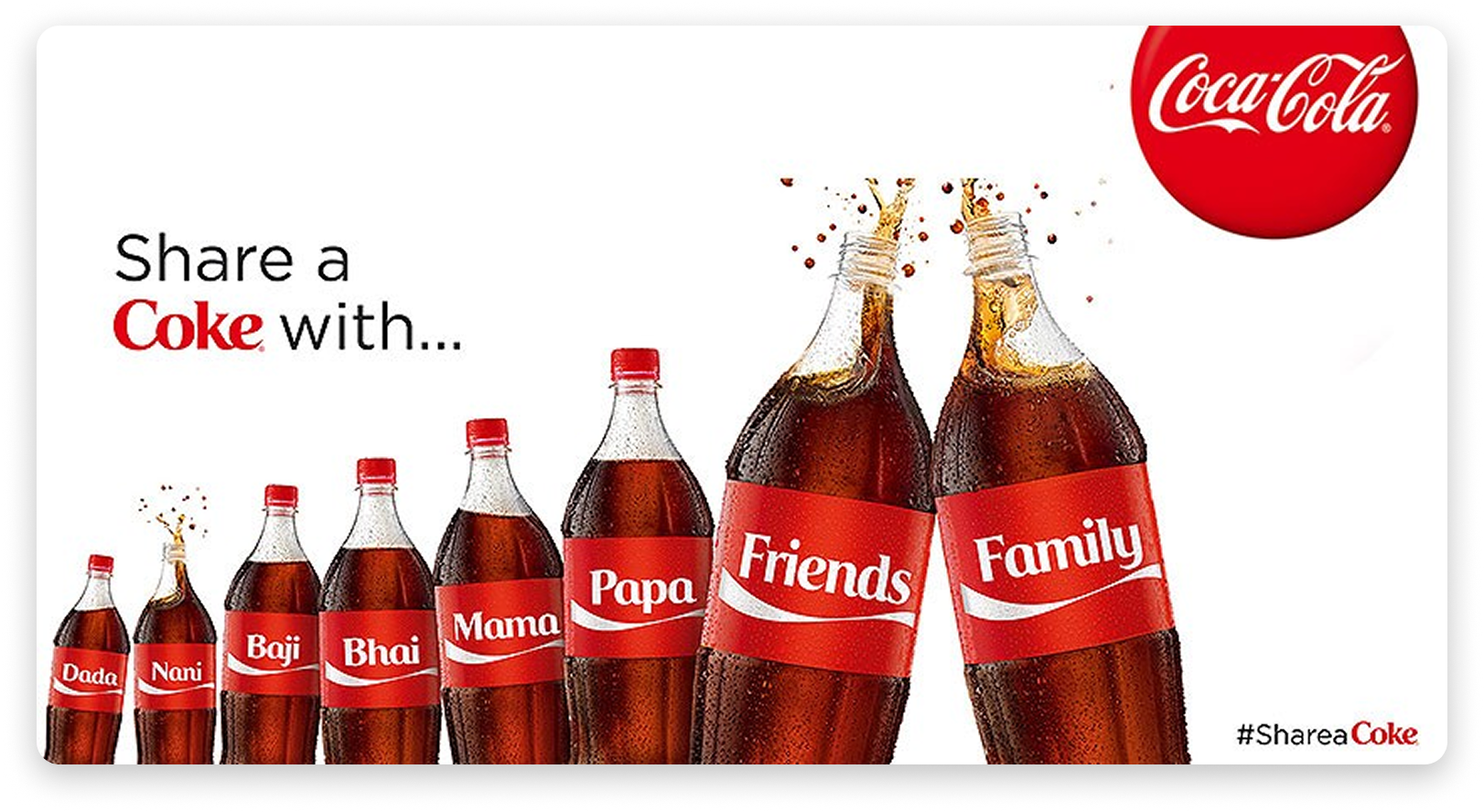
Coca-Cola encouraged customers to create and share their own photos of personalized bottles on social media using the hashtag #ShareACoke, turning user-generated content (UCG) into a major part of the campaign.
As more people posted their bottles, the brand gained social proof through real customers rather than paid ads.
Seeing friends and family share Coke made the product feel more trusted and more relevant.
As a result, in the United States, the campaign helped refresh Coca-Cola’s image with younger consumers and drove an 11 percent increase in sales.
And the best part? Coca-Cola did not have to push its message as hard. The audience carried it forward.
The campaign lived far beyond the store shelf and became part of everyday online and offline conversations, keeping the brand visible wherever people were paying attention.
Apple’s “Shot on iPhone” campaign turned everyday users into the face of the brand.
When you look at the #ShotOniPhone hashtag on Instagram, you are not seeing Apple ads. You are seeing thousands of real people posting their own photos and videos.
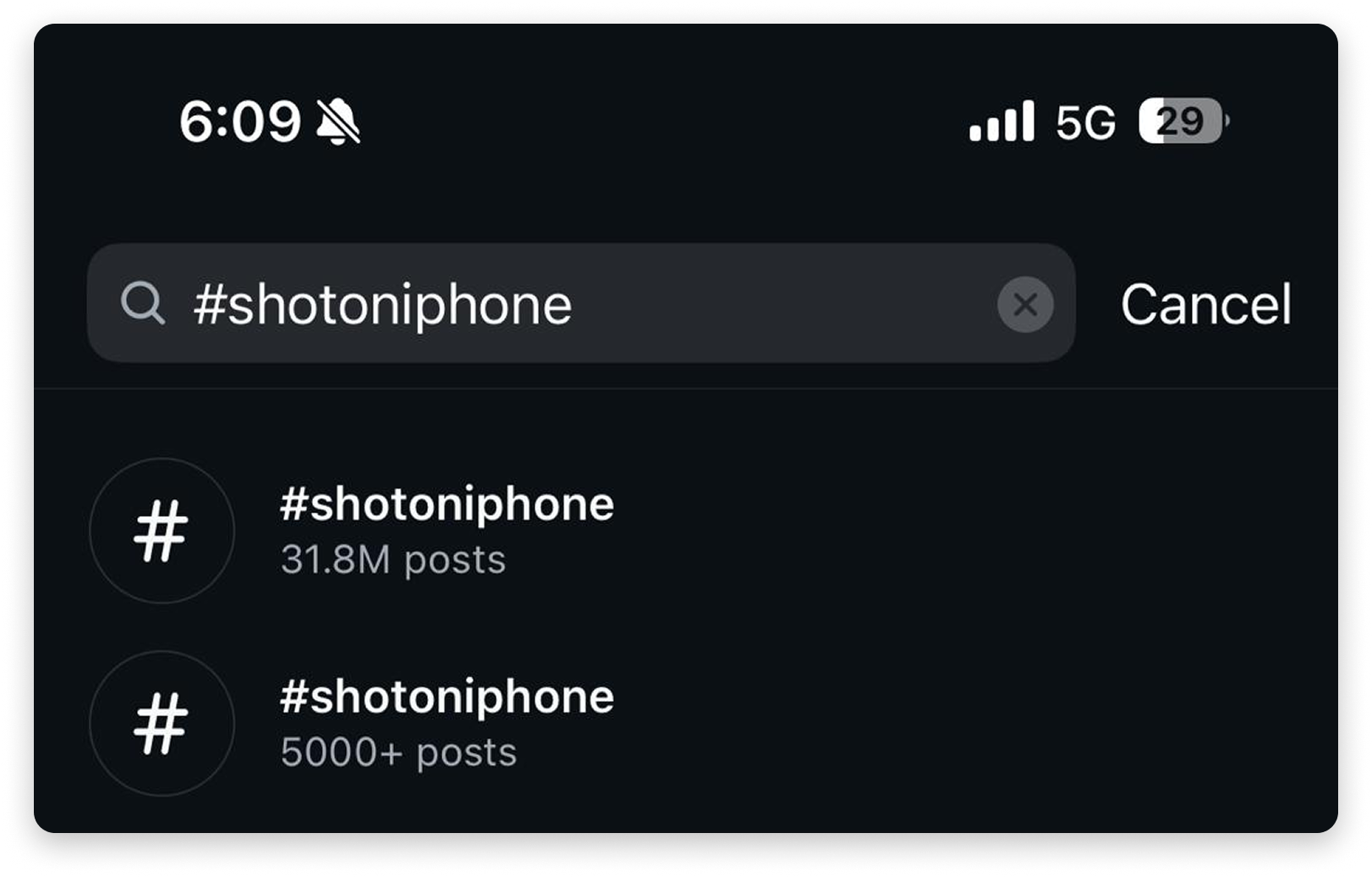
Instead of relying on polished studio ads, Apple showcased real photos and videos taken by people using their iPhones.
The message was simple; if regular users can capture moments like this, the camera must be good.
What made this powerful is that the proof did not come from Apple. It came from other people. The photos appeared on billboards, social media, websites, and even in Apple’s own stores, all credited to the creators.
That turned customers into visible brand advocates.
This is influencer marketing at scale. Many of the featured creators had their own followings, so when their work was shared, it reached new audiences through people they already trusted.
At the same time, the campaign made everyday users feel like they could be part of something bigger, which encouraged even more people to share their own content.
The result was a steady stream of user-generated content that showed what the product could do in real life.
Apple did not have to tell people the camera was good. The internet showed it for them.
Patagonia’s “Don’t Buy This Jacket” campaign is a good example of how a press style announcement can become powerful marketing.
On Black Friday in 2011, Patagonia placed a full page message in The New York Times telling people not to buy its jacket, while laying out the environmental cost behind making it.
That single page did not read like a product ad. It read like a statement. And that made it news.
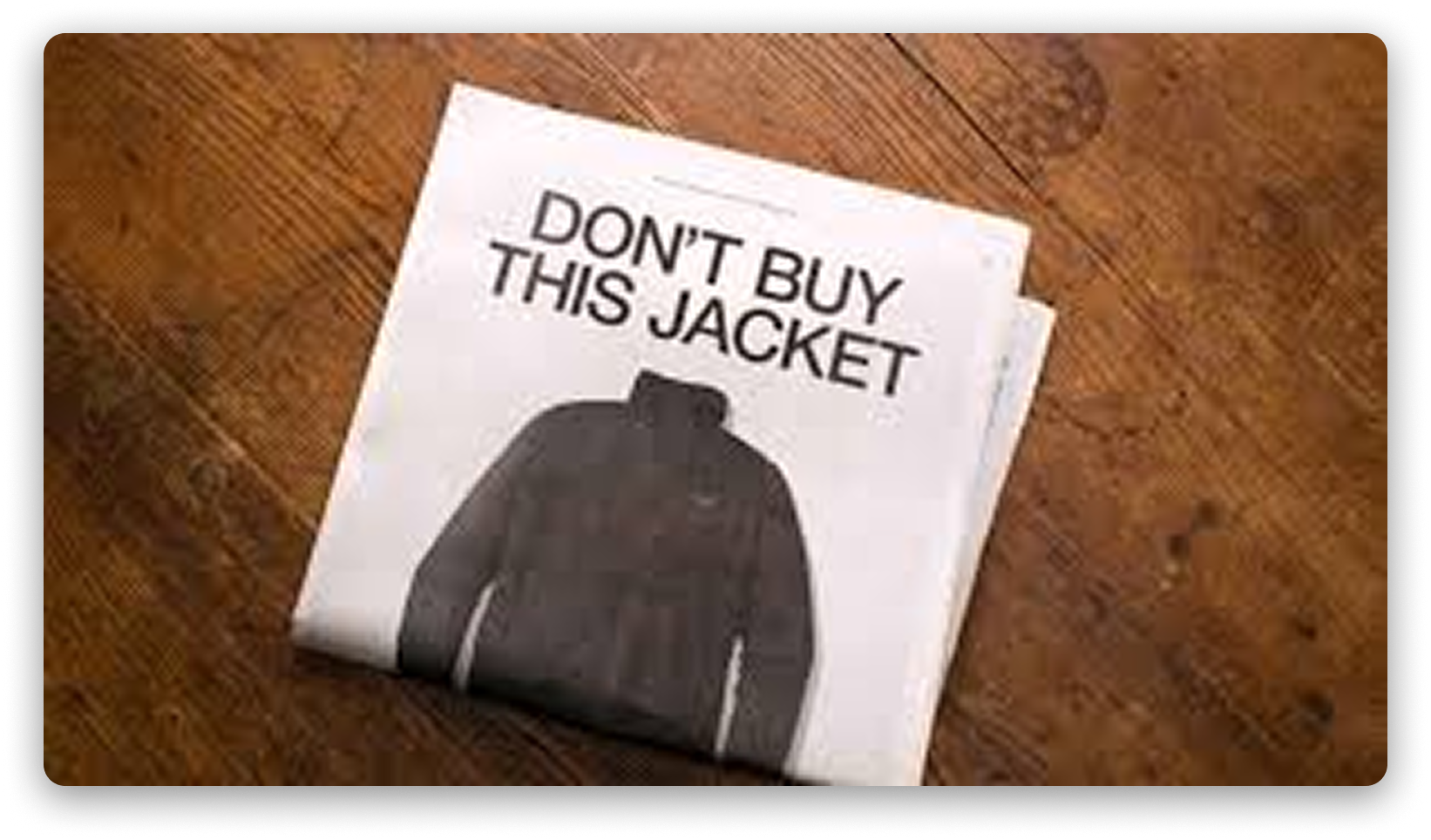
Because the message challenged consumerism and matched Patagonia’s long standing environmental stance, it was picked up by business media, marketing publications, and sustainability reporters.
It then became part of a wider conversation about:
That coverage gave Patagonia something advertising alone cannot provide. It created third party validation.
Articles, opinion pieces, and case studies kept appearing long after Black Friday was over.
People who had never visited Patagonia’s website were suddenly encountering the brand in news stories, blog posts, and industry analysis.
Patagonia was not just visible. It was being talked about with context and credibility.
Want your brand story featured on credible media outlets?
MarketersMEDIA Newswire helps you get the kind of third-party visibility these big brands achieved—through press release distribution to established publications. Get in touch with us today.
All of the examples so far follow the same pattern.
But amplification is only one side of effective marketing.
Once people notice your brand, the next challenge is keeping them. That is where a different kind of marketing comes in; retention-focused marketing.
Think of this as the bonus example for you.
Flo Health did not grow to over 300 million downloads by trying to dominate headlines or chase viral moments. Instead, it focused on something equally powerful: staying useful after the install.
Rather than relying on ads alone, Flo embedded its marketing directly into the product experience. It used content marketing not to attract attention, but to create habit and trust.
The app analyzed what women were already searching for during pregnancy and across health cycles. Then it delivered those answers through short, daily stories that felt familiar, similar to Instagram or WhatsApp. It made learning feel natural for the users.
The result was a simple retention loop:
Each time a user opened Flo to check her cycle or read a story, the brand was present at a meaningful moment.
Daily countdowns, weekly themes, and personalized timelines turned the app into a routine.
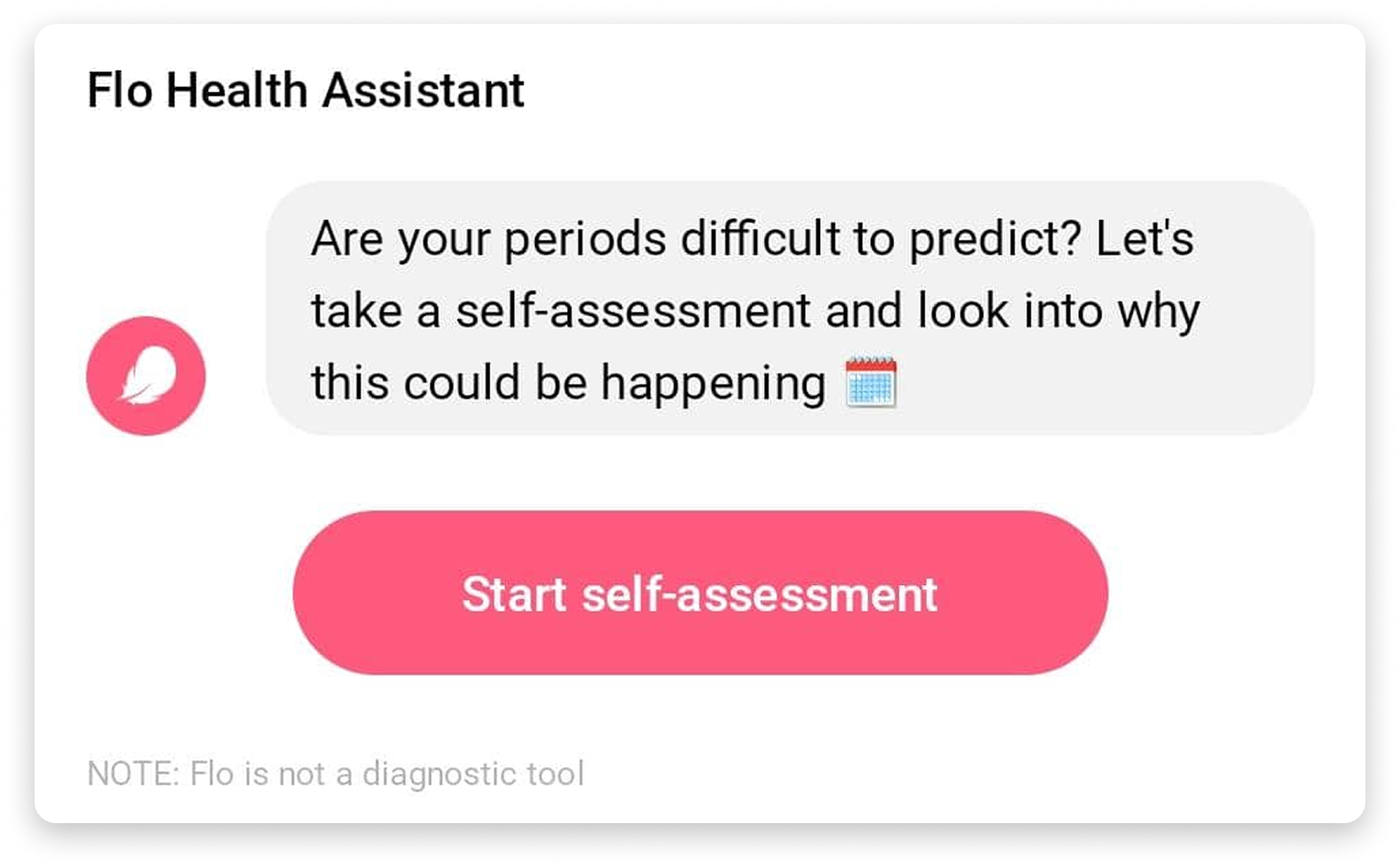
This is retention marketing done well.
Instead of interrupting users with ads about pregnancy or health, Flo became the place they already trusted for answers. The marketing lived inside the product itself.
That repeated interaction built familiarity. Familiarity built trust. And trust turned usage into loyalty.
While Flo’s approach does not create the same external buzz as Spotify, Nike, or Patagonia, it achieves something just as valuable: It makes the brand part of daily life.
And when users talk to friends, partners, or communities about a tool they rely on every day, recommendation follows naturally.
This is how retention-focused marketing supports amplification later on. A brand that people depend on is a brand people talk about.
These marketing examples show that strong brands do not rely on attention alone. They focus on recognition.
Spotify, Nike, Coca-Cola, Apple, and Patagonia all created campaigns that traveled beyond their own channels. People shared them. The media covered them. The brands stayed visible long after the campaigns ended.
Flo Health shows the other half of the picture.
Once people notice your brand, retention keeps it alive. By staying useful inside the product, Flo built trust, habit, and loyalty, which naturally led to word of mouth.
Different approaches. Same goal.
The brands people remember either become part of public conversation or part of daily life.
The best ones do both.
Want to dive deeper into creating campaigns that turn customers into advocates? Learn how to build your own user-generated content strategy that drives authentic engagement.
A: Small brands often struggle because they focus on copying what big brands did, not why it worked. They see the ads, the hashtags, or the visuals and try to recreate those pieces, without thinking about how the message was designed to move beyond the brand’s own channels.
Big brands succeed because their campaigns are built to travel. They consider who will carry the message, where it might show up next, and why people would want to talk about it in the first place.
The real lesson is not about scale or budget. It is about designing campaigns for amplification, not just execution.
A: A talk-worthy campaign gives people something to react to, not just something to look at. It sparks a feeling, a thought, or an opinion that makes people want to respond.
For instance, Spotify gave users something personal they wanted to share. Nike tapped into a feeling many people recognized. Patagonia challenged how people think about consumption. Those reactions created conversation. Visibility might get noticed once, but talk-worthy ideas get repeated and carried forward.
A: Because people, and AI, trust what is discovered more than what is self-promoted.
When media, creators, or users talk about a brand, the message feels earned. It carries implied validation. This is why Patagonia’s campaign became powerful only after journalists and analysts picked it up, not when it first appeared as a brand message.
AI systems work in a similar way. They are cautious about self-reported information and look for third-party confirmation before referencing a brand. When a message appears across independent publications, it signals that the information is not just a claim, but something others have deemed credible enough to repeat.
That is why third-party amplification does more than expand reach. It turns attention into credibility for both people and AI.
A: Some campaigns keep working long after the ads stop because they create moments people can return to. They are not just seen once and forgotten. They become things people search for, reference, and talk about again later.
Spotify Wrapped is a good example. It is not treated like a one-off promotion. People expect it every year, look it up, compare it with past versions, and share it as part of their own stories. In the same way, Patagonia’s message continues to surface in conversations about sustainability long after the original campaign ended.
When a campaign turns into a reference point rather than a temporary message, it keeps working on its own, without ongoing ad spend.
A: Features do not spread very far because that is not how people talk. No one tells a friend about a shoe by listing specs or technical details. What people remember and repeat are feelings, moments, and simple stories.
That is why emotional campaigns work so well. They give people something relatable to say in their own words. Nike’s focus on struggle and effort was easy to recognize, easy to talk about, and much more likely to travel than a standard product launch.


 PR playbook to get your brand cited in AI answer
How to check and fix what AI says about your brand
2 minutes checklist to make your PR AI-friendly
PR playbook to get your brand cited in AI answer
How to check and fix what AI says about your brand
2 minutes checklist to make your PR AI-friendly